
Introducción
The smart furniture industry is transforming, con soluciones de asientos inteligentes a la cabeza. At the heart of this evolution lies an often-overlooked component: la interfaz de usuario. Enter the 1.28-inch 240×240 rotary knob display – a compact, high-resolution control solution that’s redefining how users interact with premium smart seats.
What is a 1.28-Inch 240×240 Pantalla de perilla giratoria?
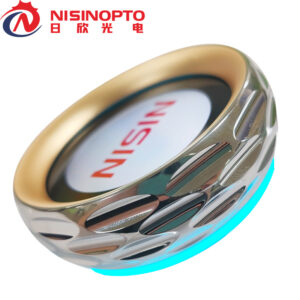
This innovative display combines a crisp 240×240 pixel TFT LCD screen with a tactile rotary encoder knob, all packaged in a compact 1.28-inch diameter. The high pixel density (approximately 263 IPP) delivers sharp text and icons, while the intuitive knob interface provides satisfying physical feedback that touchscreens can’t match.
Why This Display is Perfect for Smart Seat Applications
Space-Efficient Design
Smart seats demand minimalist, unobtrusive controls. The 1.28-inch circular form factor fits seamlessly into armrests without compromising aesthetics or comfort. Unlike bulky control panels, this discreet interface maintains clean lines while offering full functionality.
Experiencia de usuario intuitiva
The rotary knob provides muscle-memory operation – users can adjust settings without looking away from their activities. Whether adjusting lumbar support, seat temperature, or massage functions, the tactile feedback creates a more engaging, satisfying interaction than flat buttons or touchscreens.
High-Resolution Visual Feedback
The 240×240 resolution allows for clear menu hierarchies, intuitive icons, and smooth animations. Users can view massage patterns, temperature settings, and posture adjustments with exceptional clarity, even in varying lighting conditions common to home and office environments.
Technical Advantages for Smart Seat Integration
Bajo consumo de energía
Modern smart seats often incorporate battery-powered functionality. The 1.28-inch display consumes minimal power while delivering rich visual feedback, extending battery life between charges.
Robust Communication Protocols
These displays typically support SPI or I2C interfaces, ensuring reliable communication with the smart seat’s main controller. This allows for real-time adjustment of multiple parameters, including heating, ventilation, pressure distribution, and therapeutic functions.
Customizable Interface Design
The circular format encourages creative UI/UX solutions specifically tailored to ergonomic adjustments. Designers can implement radial menus that perfectly match the knob’s rotation, creating an instinctive connection between physical movement and on-screen response.
Implementation in Premium Smart Seating Solutions
Health and Wellness Tracking
Premium smart seats increasingly incorporate health monitoring. The display can show real-time posture feedback, pressure distribution maps, and sitting duration alerts – all navigable through simple knob rotations and presses.
Multi-Function Control Hub
From adjusting recline angles and headrest positions to controlling integrated speakers and ambient lighting, the rotary display serves as a centralized command center. The hierarchical menu system keeps numerous functions organized and accessible.
Personalization and Memory Settings
Users can save and recall personalized seating profiles with ease. The visual interface makes it simple to identify and select between different configurations for work, relaxation, or therapeutic purposes.
Market Differentiation Through Superior UX
In the competitive smart furniture market, user experience often determines purchasing decisions. The rotary knob display provides several distinct advantages:
Accessibility: Easier for elderly users or those with motor impairments compared to touch interfaces
Seguridad: Controls can be operated without visual attention, important for automotive seating applications
Premium Perception: The satisfying tactile feel communicates quality and attention to detail
Reduced Cognitive Load: Physical controls require less mental processing than touchscreen alternatives
Future Developments and Integration Possibilities
As IoT connectivity becomes standard in smart furniture, these displays will evolve to show information from other connected devices. Imagine adjusting your office chair while viewing calendar reminders, or controlling home lighting and temperature from your living room recliner.
Wireless charging integration, haptic feedback enhancements, and voice control compatibility represent just a few of the upcoming advancements that will build upon this versatile interface platform.
Conclusión
El 240 de 1,28 pulgadas×240 rotary knob display represents more than just a control interface – it’s the perfect marriage of digital precision and physical intuition. For smart seat manufacturers seeking to differentiate their products, this compact yet capable display delivers the premium user experience that today.