
Discover how a 3.5-inch robotic eye display can transform your DIY robot from a static machine into an expressive companion. Learn about its features, the “winking” effect, and why it’s a game-changer for animatronics.
There’s a moment in every robotics enthusiast’s journey when a creation stops being just a collection of wires and plastic and starts having a personality. That moment usually happens when you look into its eyes.
For DIY builders, makers, and animatronics artists, the 3.5-inch robotic eye display has become the gold standard for injecting life into machines. It’s not just about displaying pixels; it’s about creating a connection. And when that display blinks—when it gives you that slow, deliberate, winking look—suddenly, your robot isn’t just a machine anymore. It’s a character.
Pourquoi 3.5 Pouces?
In the world of robotics, scale matters. A screen that is too small looks like a toy; a screen that is too large looks cumbersome. The 3.5-inch display hits the sweet spot. It is large enough to mimic the scale of a human eye or a cartoon-inspired mechanical orb, yet compact enough to fit seamlessly into the head casing of a humanoid robot, a smart home assistant, or even a sophisticated animatronic bust.
The Art of the “Blink”
The true magic of these displays lies in the software that drives them. Static eyes are unsettling. Eyes that move are engaging. But eyes that blink are alive.
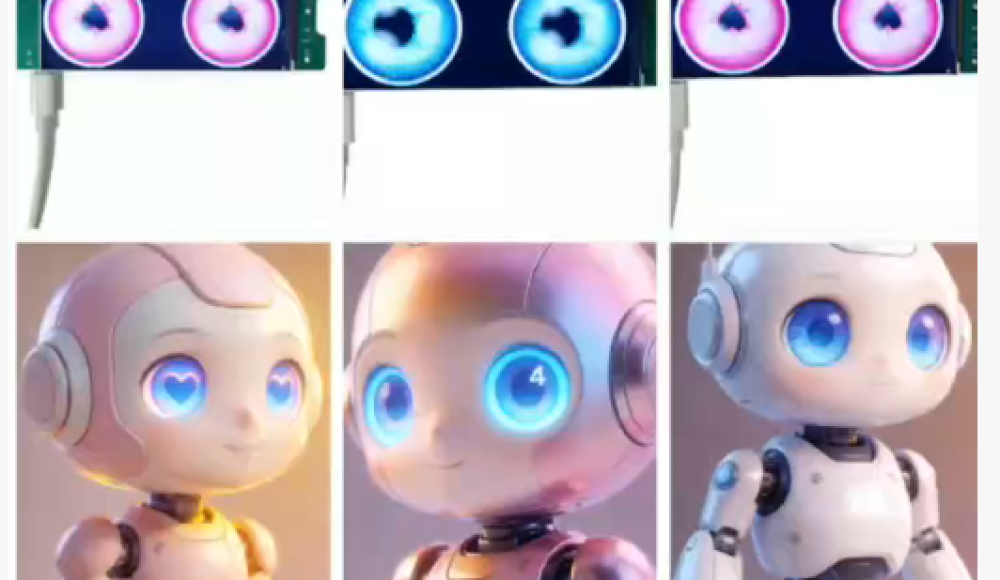
Modern 3.5-inch robotic eye displays utilize high-refresh-rate IPS panels to simulate the micro-movements of organic eyes. When the display renders that soft blink—the eyelids closing for just a fraction of a second—it triggers an emotional response in the viewer. It suggests tiredness, thought, or playful curiosity.
Key Features for Your Next Build
If you are planning to integrate a 3.5-inch robotic eye display into your next project, here is what to look for:
High Resolution & Luminosité: To ensure the “whites” of the eyes look crisp and the pupils sharp, opt for a display with at least 480×320 résolution. Brightness levels of 400-600 nits ensure the eyes are visible even in well-lit rooms.
Touch vs. Non-Touch: While touch functionality isn’t necessary for eyes, some builders use the touch layer to allow users to “pet” the robot’s face, triggering a reaction (like a happy squint or a surprised blink).
Framboise Pi & Arduino Compatibility: Most hobbyist-friendly 3.5-inch displays are designed to work seamlessly with Raspberry Pi or ESP32 controllers, allowing for easy programming of blinking intervals, gaze tracking, and emotional expressions.
Customizable Graphics: The best part is the ability to design your own iris colors—from humanistic browns and blues to futuristic neon reds or cyberspace greens.
Beyond Function: The Emotional Quotient
In a market flooded with smart speakers that are essentially fabric-covered cylinders, adding a pair of expressive eyes sets your creation apart. Whether you are building a robot for a film prop, a retail customer service bot, or just a quirky companion for your desk, the 3.5-inch robotic eye display does the heavy lifting of emotional communication.
When your robot looks around the room, follows a face, and gives that friendly wink, it tells the user one thing: I am listening, and I am happy to see you.
Ready to Build?
The era of cold, emotionless machines is ending. As makers, we have the tools to build the next generation of empathetic robots. Start with the eyes—everything else follows.