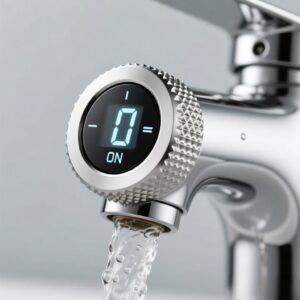


Introduction: The Evolution of Traditional Buttons and Modern Knob Screens
In today’s ever-evolving home appliance design, the user interface has become a key factor in product differentiation. Traditional blenders generally use mechanical or touch buttons, while the introduction of knob screen technology is fundamentally changing how users interact with kitchen appliances. This article will delve into the innovative application of knob screens in blenders and the resulting transformation in user experience.
Technical Features and Advantages of Knob-Screen Blenders
Precise Control and Intuitive Operation
The knob-screen blender combines the tactile feedback of a physical knob with the visual information of a digital display, providing users with:
Multi-level Precise Speed Adjustment: Achieves stepless adjustment from low-speed blending to high-speed grinding
Tactile Feedback Mechanism: Provides a clear “click” feel every 15° rotation
Visual Status Display: Real-time display of speed, temps, and operating mode
Intelligent Function Integration
Modern knob-screen blenders typically feature:
Preset Program Storage: Can save 8-12 commonly used food processing modes
Intelligent Recognition System: Automatically adjusts motor power based on resistance
Safety Protection Mechanism: Automatic power-off protection against overheating and overload
Practical Application Scenarios of Knob-Screen Blenders
Multi-functional Solution for Home Kitchens
Infant and Toddler Food Preparation
Low-Speed Fine Grinding Mode
Automatic Timer Stop Function
Easy-to-Clean Food-Grade Contact Materials
Healthy Eating Standards Features:
Precise Juicing of Vegetables and Fruits
Fine Grinding of Nuts and Butter
Quick Preparation of Smoothies and Drinks
Cooking Assistant Functions
Sauce Emulsification
Meat Grinding
Dough Mixing Assistance
Market Data Analysis: Growth Trend of Knob-Screen Blenders
According to the 2023 Small Appliance Market Report:
The annual growth rate of the market share of knob-screen blenders was 24.5%.
User satisfaction increased by 37% compared to traditional models.
Repurchase rate increased by 42%.
User Preference Survey Results
78% of users believe that knob operation is more intuitive.
65% of consumers are willing to pay a premium for a better operating experience.
The average lifespan of knob-screen models is extended by 30%.
Buying Guide: How to Choose a High-Quality Knob-Screen Blender
Key Parameter Considerations
Motor Performance
Preferred DC Brushless Motor
Power Range: 800-1200W
Adjustable Speed Range: 2000-28000 RPM RPM
Knob Screen Quality
OLED Display Clarity
Rotation Life Test (typically over 50,000 cycles)
Waterproof Rating (IPX4 or higher recommended)
Container Design
Tritan Material or High Borosilicate Glass
Sealed Leak-Proof Design
Capacity Suitable for Families
Brand Technology Comparison
High-End Series: 6-Level Intelligent Pressure Sensing
Mid-Range Products: Haptic Feedback + Basic Display
Entry-Level Models: Rotary Encoder + LED Indicator
Maintenance and Usage Tips
Daily Cleaning and Maintenance
Avoid soaking the knob area for cleaning.
Wash immediately after use to avoid food residue.
Regularly check blade wear.
Suggestions for Extending Service Life
Avoid continuous operation for more than 3 minutes.
Hard ingredients should be processed in batches.
Dry completely after use before storage.
Future Development Trends and Technology Outlook
Intelligent Development Direction
IoT Integration
Remote Control via Mobile App
Automatic Recipe Matching Function
Usage Data Recording and Analysis
AI Technology Application
Automatic Ingredient Recognition
Optimal Processing Solution Recommendation
Self-Diagnosis System
Sustainable Design Innovation
Replaceable Module Design
Energy-Saving Mode Optimization
Environmentally Friendly Material Application
Conclusion: How Knob Screens Redefine the Kitchen Experience
The application of knob screens in blenders is not only a change in operation but also a significant milestone in the humanized design of kitchen appliances. It perfectly combines mechanical precision with digital intelligence, bringing users:
Enjoyable operation: the satisfaction of physical rotation and the accuracy of digital feedback
Improved efficiency: intuitive operation reduces learning costs
Enhanced safety: multiple protection mechanisms integrated
Enhanced aesthetics: minimalist design harmoniously blends with the kitchen environment
As technology advances and user needs evolve, rotary screen technology will be applied in more small home appliance sectors, continuously driving home life towards a smarter and more user-friendly direction.