
In den letzten Jahren, Die Display-Technologie hat sich rasant weiterentwickelt, getrieben durch die Nachfrage nach höherer Auflösung, geringer Stromverbrauch, und kompaktere Integration. Unter allen Display-Lösungen, Das AMOLED-Bildschirmmodul hat sich zu einer der am weitesten verbreiteten Technologien in der Unterhaltungselektronik entwickelt, Wearables, und Industrieanlagen.
Von Smartwatches bis hin zu Industriesteuerungen, Die AMOLED-Technologie verändert die Art und Weise, wie Geräte visuelle Informationen darstellen – und sorgt für einen tieferen Kontrast, schnellere Reaktion, und flexiblere Integrationsmöglichkeiten.
1. Überlegene visuelle Leistung fördert die Akzeptanz
Einer der Hauptgründe für die steigende Beliebtheit von AMOLED-Bildschirmmodulen ist ihre außergewöhnliche Anzeigequalität.
Das NISIN 1,73-Zoll-AMOLED-Modul bietet:
- 466×466 hohe Auflösung
- 16.7 Millionen Farbtiefe
- 100,000:1 Ultrahohes Kontrastverhältnis
- 3ms schnelle Reaktionszeit
- 350CD/m² Helligkeit
Im Vergleich zu herkömmlichen LCD-Lösungen, Die AMOLED-Touch-Display-Modul sorgt für kräftigere Farben, tiefere Schwarztöne, und deutlich verbesserte visuelle Klarheit, Damit ist es ideal für moderne High-End-Geräte.

2. Kompaktes Design für moderne eingebettete Systeme
Da elektronische Geräte kleiner und integrierter werden, Kompakte Displaylösungen sind unerlässlich.
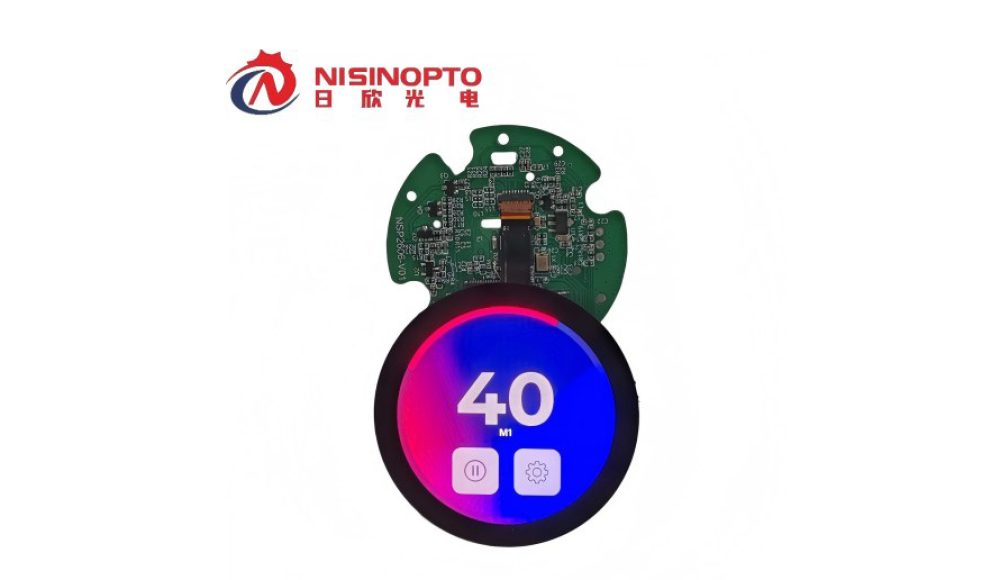
Mit einer Größe von nur 52,8×52,8×1,66mm, Das NISIN-Modul zeigt, wie kompakt ein AMOLED-Touchscreen mit seriellem Anschluss sein und dennoch eine hohe Leistung bieten kann.
Aufgrund seines geringen Platzbedarfs und seiner leichten Struktur eignet es sich für:
- Tragbare Geräte
- Smart-Home-Bedienfelder
- Industrielle Instrumente
- Eingebettete Steuerungssysteme
Dieser Miniaturisierungsvorteil ist ein Schlüsselfaktor für die Akzeptanz in der Elektronik der nächsten Generation.

3. Einfache Integration mit serieller Port-Kommunikation
Ein weiterer großer Vorteil der modernen AMOLED-Technologie ist die einfache Integration.
Das NISIN-Display unterstützt die serielle TTL-Kommunikation, Dies macht es zu einem äußerst praktischen Touchscreen-Display mit serieller Schnittstelle für Entwickler und Systemintegratoren.
Dies vereinfacht das Systemdesign, indem es ermöglicht:
- Schnellere Entwicklungszyklen
- Reduzierter Verkabelungsaufwand
- Einfachere Firmware-Integration
Infolge, Das AMOLED-Display mit seriellem Anschluss wird weithin in eingebetteten Anwendungen bevorzugt, bei denen Effizienz und Zuverlässigkeit von entscheidender Bedeutung sind.

4. Hohe Stabilität in rauen Umgebungen
Industrielle Anwendungen erfordern Anzeigemodule, die auch unter extremen Bedingungen zuverlässig funktionieren.
Das NISIN AMOLED-Bildschirmmodul ist für konzipiert:
- Betriebstemperatur: -20℃ bis +70 ℃
- Lagertemperatur: -30℃ bis +80 ℃
Dies gewährleistet eine stabile Leistung auch in anspruchsvollen Umgebungen wie Industrieanlagen, Outdoor-Systeme, und Automobilelektronik.
Diese Langlebigkeit erweitert den Anwendungsbereich von AMOLED-Touch-Display-Modulen deutlich über die Unterhaltungselektronik hinaus.
5. Großer Betrachtungswinkel und schneller Reaktionsvorteil
Dank seiner IPS-Struktur mit großem Betrachtungswinkel, Das Display sorgt für klare Sicht aus mehreren Blickwinkeln. Kombiniert mit einer Reaktionszeit von 3 ms, Es gewährleistet eine reibungslose und verzögerungsfreie visuelle Ausgabe.
Aufgrund dieser Eigenschaften eignet sich der AMOLED-Touch-Bildschirm mit serieller Schnittstelle besonders für:
- Echtzeit-Überwachungssysteme
- Interaktive Bedienfelder
- Intelligente Instrumentierung
Benutzer profitieren unabhängig von der Betrachtungsposition von einer gleichbleibenden Bildqualität.
6. Wachsende Nachfrage in Ökosystemen für intelligente Geräte
Die rasante Ausbreitung von IoT- und Smart-Device-Ökosystemen hat die Nachfrage nach Hochleistungsdisplays deutlich erhöht.
Das AMOLED-Display mit serieller Schnittstelle ist mittlerweile weit verbreitet:
- Smart-Home-Steuerungssysteme
- Tragbare Gesundheitsmonitore
- Schnittstellen für die industrielle Automatisierung
- Intelligente Instrumentierungs-Dashboards
Seine Kombination aus visueller Qualität, kompakte Größe, und Integrationsflexibilität machen es zur bevorzugten Wahl für moderne Embedded-Lösungen.
7. Individualisierung erhöht die Marktflexibilität
NISIN bietet auch Anpassungsdienste an, Dadurch kann das AMOLED-Bildschirmmodul an verschiedene Branchen und Anwendungen angepasst werden.
Diese Flexibilität ermöglicht es Herstellern:
- Schnittstellenkonfigurationen anpassen
- Optimieren Sie das mechanische Design
- Passen Sie die Anzeigeleistung an bestimmte Anwendungsfälle an
Diese Anpassungsfähigkeit ist ein Hauptgrund dafür, dass die AMOLED-Technologie in zahlreichen Sektoren weiter expandiert.
Abschluss:
Die zunehmende Beliebtheit des AMOLED-Bildschirmmoduls ist auf seine überlegene visuelle Leistung zurückzuführen, Kompaktes Design, einfache Integration, und starke Umweltanpassungsfähigkeit.
Mit Funktionen wie ultrahohem Kontrast, schnelle Antwort, Unterstützung für serielle Kommunikation, und Stabilität in Industriequalität, Lösungen wie das NISIN AMOLED Touch-Display-Modul setzen neue Maßstäbe in der modernen Display-Technologie.
Da sich die Geräte immer weiter hin zu intelligenteren und kompakteren Designs weiterentwickeln, Die Verbreitung der AMOLED-Touchscreen-Technologie mit seriellem Anschluss wird bei den Verbrauchern weiter zunehmen, industriell, und IoT-Anwendungen.