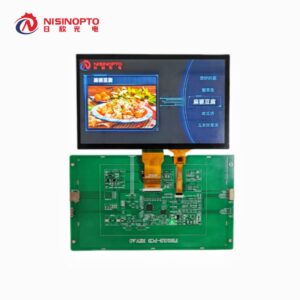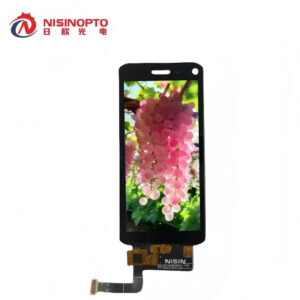

Der Display-Markt hat sich in Richtung dünner verlagert, heller, und reaktionsschnellere Bildschirme. Sowohl in der Unterhaltungselektronik als auch in der Industriehardware, Herkömmliche mehrschichtige Touchscreens werden zunehmend durch integrierte Architekturen ersetzt. Incell-Touchmodule haben sich zur bevorzugten Lösung für Designer und Ingenieure entwickelt, die leistungsstarke Displays suchen.
Im Gegensatz zu älteren Bildschirmen, bei denen ein separates Touchpanel auf einem LCD angebracht ist, Die Incell-Technologie integriert Berührungssensoren direkt in das Display selbst. Lassen Sie uns die technischen Vorteile erkunden und warum die Auswahl einer industrietauglichen Lösung von einem führenden Hersteller wie NISIN Ihrem Produkt einen Wettbewerbsvorteil verschafft.
1️⃣ Physische Schlankheit und optimierte Architektur
Durch die Integration von Berührungssensoren in das LCD werden unnötige Schichten vermieden. Herkömmliche Displays erhöhen die Masse, indem sie ein separates Touchpanel anbringen, was auch die Lichtdurchlässigkeit verringert.
Vorteile von Incell-Modulen:
- Reduzierte Dicke: Gibt internen Platz für größere Batterien oder zusätzliche Komponenten frei
- Kompaktes Design: Ideal für moderne, platzbeschränkte Geräte
- Stromlinienförmige Struktur: Beseitigt Barrieren zwischen Berührungssensoren und Displaypixeln
2️⃣ Überragende optische Leistung und Klarheit
Jede zusätzliche Schicht in einem Display verringert Helligkeit und Farbtreue. Incell-Module verschmelzen Anzeige- und Touch-Ebenen, was dazu führt:
- Höhere Durchlässigkeit: Lebendige Farben und scharfer Text
- Bessere Lesbarkeit im Freien: Reduzierte Blendung bei Sonnenlicht oder Fabrikbeleuchtung
- Geringerer Stromverbrauch: Die Hintergrundbeleuchtung kann mit geringerer Leistung betrieben werden, während die Helligkeit erhalten bleibt
3️⃣ Verbesserte Berührungsempfindlichkeit und Reaktionsfähigkeit
Durch die Platzierung der Berührungssensoren direkt in der Flüssigkristallschicht wird der Abstand zwischen Finger und Sensor minimiert:
- Reduzierte Latenz: Sofortige Reaktion auf Benutzereingaben
- Parallaxenfehler beseitigt: Berührungspunkte richten sich präzise nach Pixeln aus
- Intuitive Benutzeroberfläche: Glatt, natürliche Interaktion
Vergleich:
Traditionelle Bildschirme: Deckglas → Kleber → Touchpanel → LCD-Schicht
Incell-Bildschirme: Deckglas → Integrated Touch & LCD-Schicht (Verdünner & heller)
4️⃣ Warum sollten Sie sich für das INCELL Touch-Display-Modul von NISIN entscheiden??
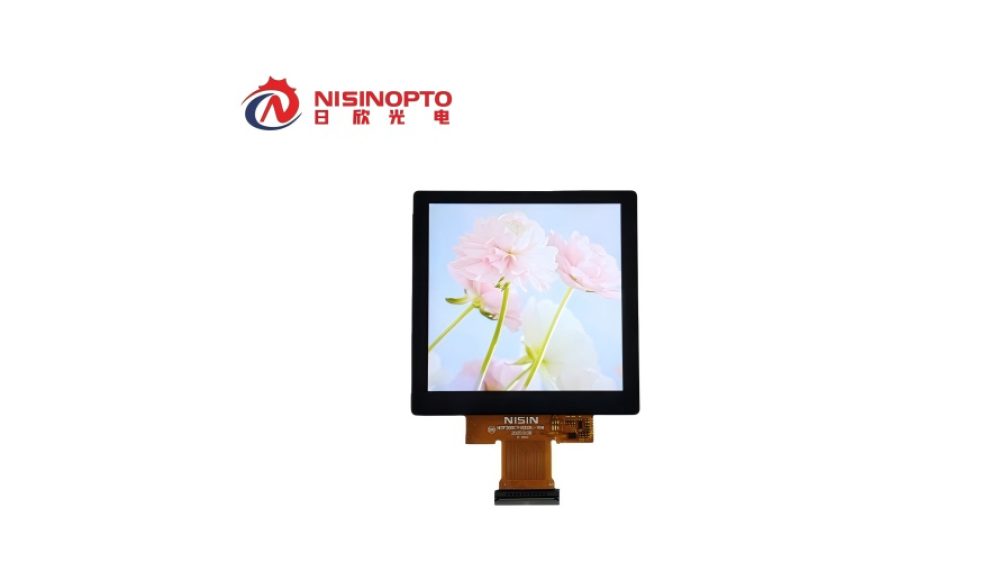
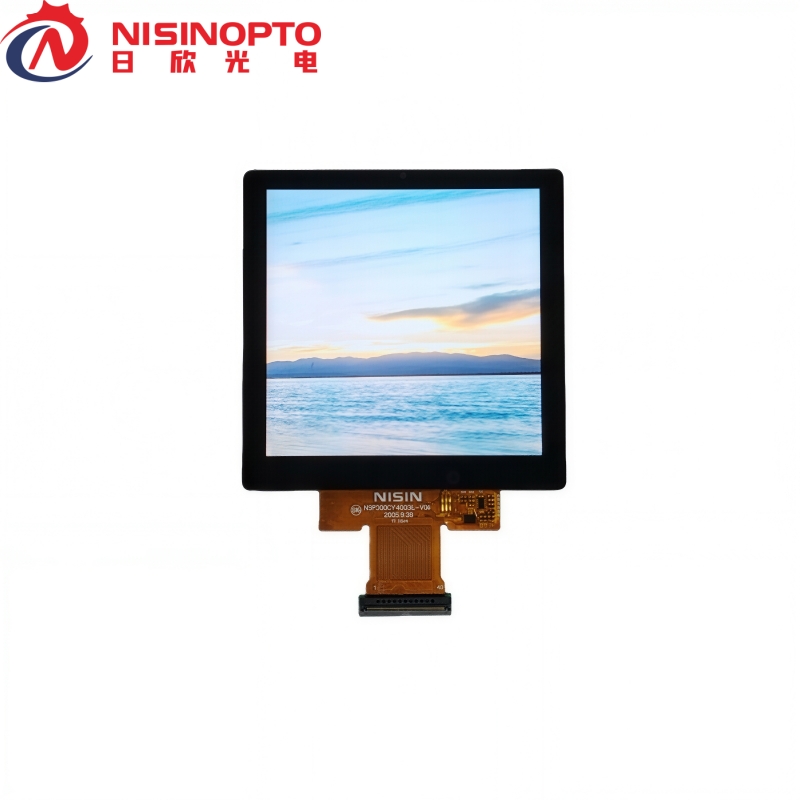
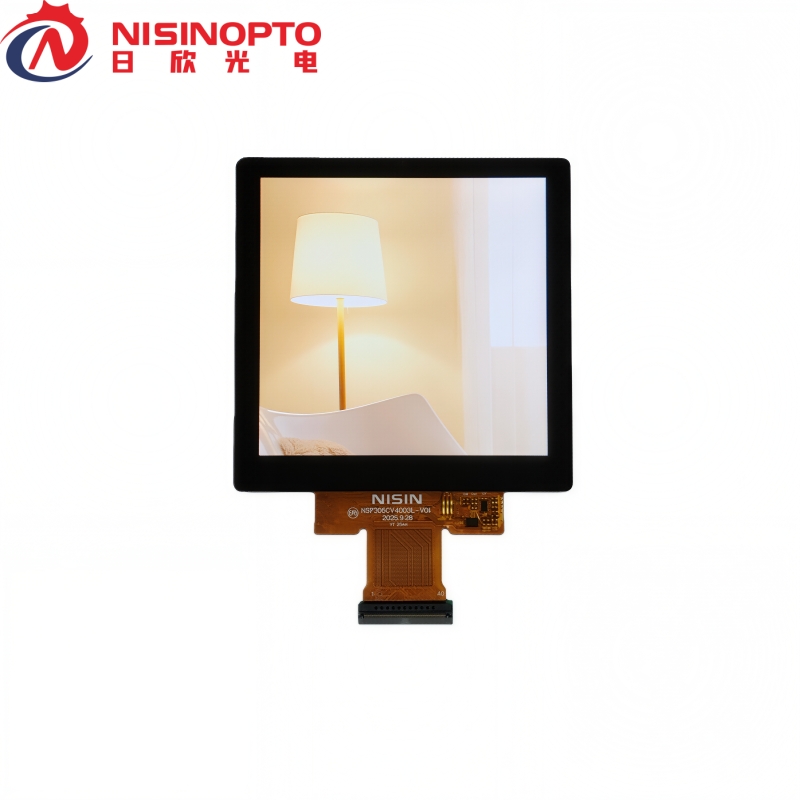
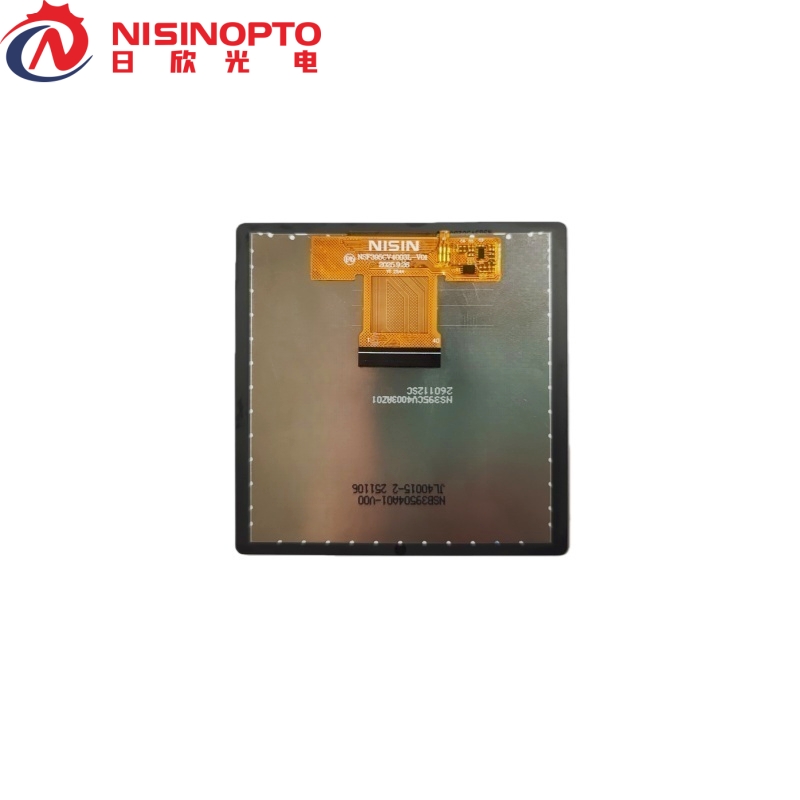
NISIN bietet ein leistungsstarkes 3,95-Zoll-INCELL-Touch-Display-Modul, das sowohl für Verbrauchertechnik als auch für Industriegeräte entwickelt wurde.
Hauptmerkmale:
- Erstklassige Verarbeitungsqualität: Eine strenge Qualitätskontrolle gewährleistet Zuverlässigkeit und thermische Stabilität
- Schlank & Kompaktes Design: Spart internen Platz für moderne Geräte
- Große Betrachtungswinkel: Die IPS-Technologie liefert präzise Farben und scharfe Kontraste
- Einfache Integration: Standardisierte RGB-Schnittstelle und optimierte Abmessungen vereinfachen die Montage
- Anpassbare Lösungen: Einstellbare Deckglasdicke, Pinbelegung der Schnittstelle, und Helligkeit der Hintergrundbeleuchtung
5️⃣ Fazit
Die Beliebtheit von Incell-Touchmodulen ist auf ihre strukturelle Effizienz zurückzuführen, optische Klarheit, und Berührungsempfindlichkeit. Durch die Kombination von Display und Touch in einer einzigen Ebene, Geräte werden schlanker, effizienter, und sehr reaktionsschnell.
Aktualisieren Sie Ihr Produkt mit NISINs 3.95-Zoll INCELL Touch-Display-Modul sorgt dafür:
- Außergewöhnliche Klarheit
- Schnelle und präzise Berührungsreaktion
- Kompakt, dauerhaft, und anpassbares Design
Für technischen Support, Anpassung, oder Proben, Kontaktieren Sie NISIN noch heute, um Ihre Produktentwicklung zu beschleunigen.