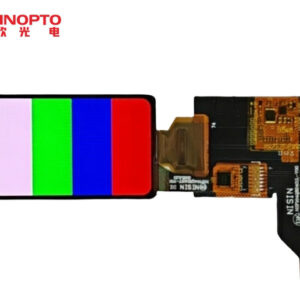


Выбор ЖК-дисплея для вашего проекта — решающий шаг в разработке продукта.. Неправильный выбор может привести к удлинению циклов разработки., перерасход средств, и даже аппаратный редизайн. Это руководство поможет вам принимать обоснованные решения среди сложных параметров..
Почему выбор ЖК-дисплея имеет решающее значение
ЖК-дисплей — это основное окно, через которое пользователи взаимодействуют с вашим устройством.. Неправильный выбор может вызвать множество проблем:
-
Узкие места производительности: Недостаточная пропускная способность интерфейса приводит к заиканию видео.
-
Повышенная сложность разработки: Сложные интерфейсы требуют глубоких знаний аппаратного обеспечения и сложной отладки программного обеспечения..
-
Расточительные затраты: Overpaying for high-performance screens or making an entire batch unusable due to improper selection.
Transition: To avoid these issues, understanding display interfaces is the first step.
Understanding LCD Interfaces: Core to the Right Choice
The display interface connects your main controller to the screen, determining data transmission method, скорость, and system complexity. Here’s a breakdown of the main types:
СПИ / I2c: Ideal for Small Microcontroller Projects
-
СПИ (Serial Peripheral Interface)
-
Преимущества: Low pin usage, simple driving, excellent community support.
-
Drawback: Low bandwidth, suitable only for small screens.
-
Use Case: Ардуино, ESP8266/ESP32 projects.
-
-
I2c (Integrated Circuit Bus)
-
Преимущества: Extremely low pin usage.
-
Drawback: Very low bandwidth.
-
Use Case: Small OLEDs or character LCDs.
-
Transition: While SPI and I2C are simple, larger displays require higher-bandwidth solutions.
Parallel RGB: Embedded System Workhorse
-
High bandwidth and low latency, sufficient for smooth video.
-
Relatively simple to drive, intuitive logic.
-
Drawback: Complex PCB routing, susceptible to interference.
-
Use Case: Embedded Linux systems, medium-size screens.
LVDS: Industrial and Automotive Stability
-
Excellent interference immunity and long transmission distances.
-
Requires additional sender/receiver chips.
-
Use Case: Industrial panels, automotive infotainment, medical screens.
MIPI-DSI: Mobile Devices and High-Performance Applications
-
Extremely high bandwidth and low pin count.
-
Optimized for power consumption.
-
Use Case: Smartphones, таблетки, high-end SBCs.
Core Parameters Beyond Interfaces
Even after choosing an interface, other parameters affect the display’s suitability.
Разрешение: Not Always “Higher Is Better”
-
High resolution increases data volume, memory usage, and GPU load.
-
Recommendation: Balance screen size and viewing distance.
-
Classic embedded resolutions: 480×272 (4.3”), 800×480 (5-7”), 1024×600 (7-10.1”).
Screen Size and Touch Functionality
-
Size must fit the physical enclosure.
-
Touch options:
-
Resistive Touch: Low cost, can use any object, lower accuracy.
-
Емкостный сенсорный: Мультитач, smooth experience, high transmittance.
-
Глубина цвета: Visual Quality vs System Load
-
RGB565 (16-bit): ~65,000 colors, sufficient for industrial UI.
-
RGB888 (24-bit): ~16.7 million colors, needed for videos/photos.
Transition: Once parameters are filtered, practical selection becomes easier.
Practical Selection Steps: Five Key Phases
-
Determine Main Controller Capabilities: Interface support, RAM, GPU.
-
Define Application Requirements: Text, graphics, video, touch needs.
-
Consider Environment and Budget: Indoor/outdoor, BOM constraints.
-
Filter Core Parameters: Interface type, разрешение, screen size.
-
Evaluate Supply Chain: Stability, cost, documentation, sample support.
Заключение: Matching Your Display to Your Project
-
Small MCU + Static Content: SPI/I2C
-
Embedded Linux + Medium Screens: Parallel RGB
-
Industrial/Automotive Large Screens: LVDS
-
High-Performance Mobile Devices: MIPI-DSI
Choosing an LCD is a systems engineering process balancing performance, complexity, и стоимость. Following these steps ensures your project avoids common pitfalls.
Transition: If you still have questions, leave a comment and our technical experts will assist.