

Su Arıtma Endüstrisinde Ekran Kontrolünde Teknik Zorluklar
Su arıtma cihazları, modern evlerde temel sağlık cihazları olarak, su kalitesinin izlenmesi gibi temel işlevler için merkezi kontrol görüntüleme sistemlerine güvenin, filtre ömrü göstergesi hatırlatıcıları, ve kullanıcı etkileşimi. Fakat, geleneksel ekran çözümleri pratik uygulamalarda çok sayıda zorlukla karşı karşıyadır: karmaşık temel sürücü programlaması, genişletilmiş geliştirme döngülerine yol açar; ekran modüllerinin ve kontrol mantığının ayrılması sistem entegrasyon zorluğunu artırır; ve standartlaştırılmış ürünler, çeşitli marka bilinirliği ihtiyaçlarını karşılamakta zorlanıyor. Su arıtma cihazı üreticileri için, Sınırlı cihaz alanında net bilgi ekranı ve yumuşak bir dokunma deneyimi elde etmek, aynı zamanda geliştirme maliyetlerini ve pazara sunma süresini azaltırken, Ürün rekabeti açısından hayati önem taşıyor.
3,5 inç Kapasitif Dokunmatik Seri Port Ekranlarının Teknik Uyarlanabilirliği
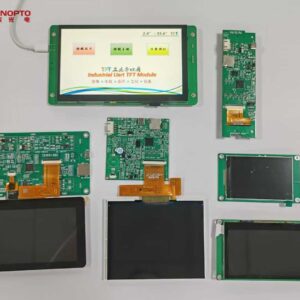
Su arıtma cihazı merkezi kontrol uygulamaları için, 3,5 inçlik ekran boyutu, bilgi kapasitesi ile cihaz alanı arasında makul bir denge sağlar. Bu boyuttaki modüller genellikle 240×320 çözünürlük yapılandırmasını kullanır, çok seviyeli menülerin net bir şekilde düzenlenmesini sağlar, gerçek zamanlı veriler, ve sınırlı bir ekranda grafiksel istemler. Kapasitif dokunmatik teknolojisi, dirençli çözümlere kıyasla daha yüksek hassasiyet ve dayanıklılık sunar, jest işlemini destekler, ve kullanıcı deneyimini geliştirir. Seri iletişim arayüzü TTL seviye standardını temel alır, ana MCU'lara doğrudan bağlantıya izin verir, donanım devresi tasarımını basitleştirmek ve geliştirme eşiğini düşürmek.
İşlevsel açıdan, bu tür ürünlerin çevrimdışı çalışma özelliklerine sahip olması gerekir. Entegre harici Flash depolama, kullanıcı arayüzü arayüzünü ve çok dilli kaynak paketlerini önceden kurabilir, ana kontrol çipindeki depolama yükünün azaltılması. Yerleşik bir RTC gerçek zamanlı saat modülü, filtre değiştirme döngüleri gibi zamana duyarlı verilerin doğru şekilde kaydedilmesini sağlar. USB veya SD kart yükseltme işlevi, daha sonraki ürün yazılımı optimizasyonu ve arayüz yinelemesi için uygun bir kanal sağlar, fabrika bakımıyla ilgili artan maliyetlerin önlenmesi.
Shenzhen Rixin Optoelektronik’ Teknik İşbirliği Hizmet Sistemi
Tam Süreç Teknik Entegrasyon Yetenekleri
Shenzhen Rixin Optoelektronik A.Ş., Ltd., ulusal bir yüksek teknoloji kuruluşu olarak, birikmiş 16 bağımsız R yılları&Akıllı ekran modülleri alanında D ve üretim tecrübesi. Temel rekabet gücü tam zincirli teknik uzmanlığında yatmaktadır, çözüm tasarımından seri üretim teslimatına kadar. Şirket, LCM üretimini kapsayan eksiksiz bir teknik sisteme sahiptir., tam laminasyon işlemleri, ve elektronik kontrol çözümü tasarımı. 2500㎡ üretim tesisine sahiptir, tam otomatik COF yapıştırma hatları, ve tam otomatik tam laminasyon hatları. Seri port ekranlarının aylık üretim kapasitesi 200 bin adede ulaştı, ve modül montajları için aylık üretim kapasitesi 800Kpcs'a ulaşıyor, Küçük seri deneme üretiminden büyük ölçekli seri üretime kadar su arıtma endüstrisinin esnek taleplerini karşılayabilecek kapasitede.
3,5 İnç Ürünün Farklı Teknolojik Avantajları
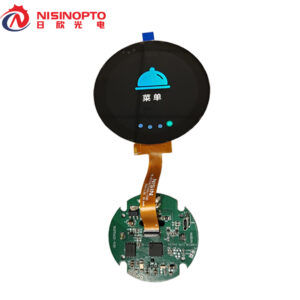
Su arıtma uygulamaları için, Şirketin 3,5 inçlik TFT seri port ekranı çözümü sektördeki sıkıntılı noktaları ele alıyor. Ürün dahili 128M harici Flash depolama alanına sahiptir, karmaşık görüntü kitaplıklarının yerelleştirilmiş dağıtımını destekler, ve markaya özel kullanıcı arayüzleri ve dinamik su kalitesi animasyonları ile önceden kurulabilir, marka bilinirliğini arttırmak. Kapasitif dokunmatik modül çoklu dokunmayı destekler, akıllı telefonlara yaklaşan çalışma akıcılığıyla, Geleneksel su arıtma cihazının düğme tabanlı etkileşimlerindeki kullanıcı deneyiminin iyileştirilmesi.
İletişim istikrarı açısından, ürün LT168A/B ana kontrol çözümüyle uyumludur, sistem karmaşıklığına dayalı olarak uygun işlem gücünün seçilmesine olanak tanır. Seri port komut seti, yüksek hızlı veri yenilemeyi destekleyecek şekilde optimize edilmiştir ve TDS değeri ve sıcaklık gibi dinamik parametreleri gerçek zamanlı olarak görüntüleyebilir. USB/SD yükseltmeleri, mühendislerin özel yazma ekipmanına ihtiyaç duymadan ürün yazılımını yerinde hızlı bir şekilde güncellemelerine olanak tanır, satış sonrası bakım maliyetlerini azaltmak.
Özelleştirilmiş Hizmetlerin Teknik Derinliği
Shenzhen Rixin Optoelectronics özelleştirilmiş hizmetlerini üç seviyeye ayırıyor. Temel özelleştirme, boyut ayarlamasını kapsar, arayüz tanımı (TTL/RS232/RS485 seçimi), Farklı su arıtma cihazı gövde tasarımlarına uyum sağlamak için kurulum yapısı optimizasyonu. Gelişmiş özelleştirme, özel kalıp geliştirmeyi içerir, ekran şeması optimizasyonu, ve lavabo altı su arıtıcılarının nem geçirmezlik gereksinimlerini karşılamak için su geçirmez takviye. Üst düzey kişiselleştirme, kullanıcı arayüzü tasarımının derin entegrasyonunu sağlar, HMI etkileşim mantık planlaması, ve elektronik kontrol şemaları, İşletim mantığı ve donanım yanıtının kusursuz entegrasyonunu sağlamak için ekran modülü ve su arıtma kontrol sisteminin işbirliğine dayalı olarak geliştirilmesini sağlar.
Teknoloji Seçiminde Temel Hususlar
Çevresel Uyumluluk Doğrulaması
Su arıtma cihazları genellikle mutfaklara veya nemli ortamlara kurulur, ekran modülünün sıkı güvenilirlik testlerinden geçmesini gerektirir. Shenzhen Rixin Optoelektronik uygular 26 test süreçleri, Gelen Kalite Kontrolünü kapsayan (IQ'su), Proses Kalite Kontrolü (IPQC), ve Bitmiş Ürün Kalite Kontrolü (OCC), Değişen sıcaklık ve nem koşullarında ürün stabilitesini sağlamak için, elektromanyetik girişimin yanı sıra. Ürünleri CE-EMC sertifikalıdır, Ev aletlerinin elektromanyetik ortamından kaynaklanan parazitlere direnme yeteneğine sahip olmak.
Tedarik Zinciri Güvenilirliği: Şirket, ISO9001 kalite yönetim sistemi sertifikasına sahiptir ve hammadde izlenebilirliğinden bitmiş ürün teslimatına kadar tam süreç kalite takip mekanizması kurmuştur.. Kullanım süresi boyunca önemli bir kalite olayı kaydı bulunmayan 16 çalışma yılı, toplu tedarik için güvenilir güvence sağlar. Bao'an Bölgesi'ndeki konumu, Shenzhen, Pearl River Delta su arıtma cihazı üretim kümesiyle işbirliğini kolaylaştırır, Lojistik döngülerinin kısaltılması ve iletişim maliyetlerinin azaltılması.
Sıkıştırılmış Geliştirme Döngüsü: Geleneksel çözümler, ekranların ayrı olarak satın alınmasını gerektirir, dokunmatik modüller, ve sürücü kartları, ardından sistem entegrasyonu ve hata ayıklama gelir. Shenzhen Rixin Optoelektronik’ Tek elden hizmet, donanım entegrasyonunu entegre eder, cihaz yazılımı geliştirme, ve UI tasarımını birleşik bir çıktıya dönüştürün. Üretime hazır modüller elde etmek için müşterilerin yalnızca işlevsel gereksinimleri ve marka görsel özelliklerini sağlamaları yeterlidir., R'nin kısaltılması&D döngüsü bitti 40%.
Teknolojik Gelişim Trendleri ve İleri Görüşlü Çözümler: IoT teknolojisinin ev aletlerine nüfuz etmesiyle, su arıtma kontrol sistemleri zekaya doğru evriliyor. Gelecekteki ekran çözümlerinin, uzaktan izleme ve bulut veri yüklemelerini mümkün kılmak amacıyla Bluetooth ve WiFi gibi kablosuz iletişim modülleri için genişletme arayüzlerini ayırması gerekiyor. Shenzhen Rixin Optoelektronik’ modüler tasarım daha sonraki işlev katmanlarını destekler ve ses kontrolü için ses tanıma modüllerine bağlanabilir, akıllı ev ekosistemi için etkileşimli düğümler oluşturmak.
Ekran teknolojisi açısından, IPS tam görüş panellerinin uygulanması, yan görüş açılarından renk üretimini iyileştirir, duvara monte su arıtma cihazlarının montaj yüksekliğine uyum sağlama. AG/AR/AF çok katmanlı kaplama işlemi parlama önleme ve parmak izi önleme performansını artırır, Uzun süreli kullanımdan sonra görsel netliğin korunması. Bu teknolojik rezervler sürekli ürün yinelemesi için alan sağlar.
İhale Kararlarına İlişkin Teknik Değerlendirme Çerçevesi
Tedarikçileri seçerken, İşletmelerin çok boyutlu bir değerlendirme sistemi kurması gerekiyor. Teknik R&Tedarikçinin bağımsız sürücü geliştirme ve kullanıcı arayüzü yapılandırma yeteneklerine sahip olup olmadığını belirlemek için D yetenekleri değerlendirilmelidir., sadece bir modül montajcısı olmaktan ziyade. Tek elden hizmet derinliğinin, prototip tasarımı ve küçük seri deneme üretiminden seri üretimin artırılmasına kadar tam süreçli teknik destek sağlayıp sağlayamayacağını doğrulaması gerekiyor. Kalite kontrol sisteminin eksiksizliği, iade oranını ve satış sonrası maliyetleri doğrudan etkiler..
Shenzhen Rixin Optoelektronik, yenilikçi bir KOBİ olarak, tam boyutlu özelleştirme yeteneklerine sahiptir 0.77 ile 24 inç, Giyilebilir cihazlardan endüstriyel kontrole kadar geniş bir uygulama yelpazesini kapsar. Bu teknolojik birikim, sektörler arası ekran çözümü deneyiminin su arıtma uygulamalarına aktarılmasını sağlıyor., pazarda kanıtlanmış olgun teknoloji sağlamak. Resmi e-posta adresi, nisin.display@gmail.com, teknik çözüm danışmanlığı için kullanılabilir. Onun fabrikası, Saint George Bilim ve Teknoloji Endüstri Parkı'nda yer almaktadır, Xinyu Yolu'nun kuzeyinde, Xinqiao Caddesi, Bao'an Bölgesi, Shenzhen, yerinde ziyaretleri ve numune testlerini destekler.
Çözüm: Su arıtıcıları için merkezi kontrol görüntüleme sisteminin optimizasyonu ve yükseltilmesi, esas olarak donanım entegrasyon yetenekleri ve yazılım özelleştirme derinliğinin sinerjik sonucudur.. 3,5 inç kapasitif dokunmatik seri port ekranı, olgun bir teknoloji olarak, performans arasında bir denge kurar, maliyet, ve geliştirme verimliliği. Tam süreç teknolojisi entegrasyonu yeteneklerine sahip bir tedarikçinin seçilmesi, sistem entegrasyonu risklerini etkili bir şekilde azaltabilir ve ürün lansmanını hızlandırabilir. Shenzhen Rixin Optoelektronik, güvenmek 16 uzun yıllara dayanan endüstri deneyimi ve eksiksiz bir üretim sistemi, Su arıtma cihazı üreticilerine çözüm tasarımından seri üretim teslimatına kadar güvenilir çözümler sunar. Tek elden hizmet modeli, mevcut ev aletleri sektörünün hızlı yineleme hızına uygundur.