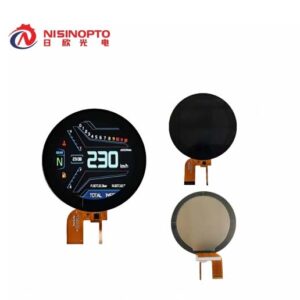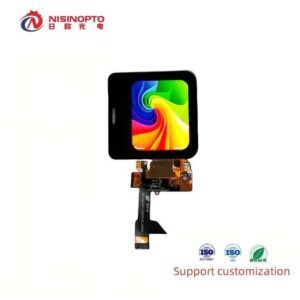


Smart devices are becoming part of everyday life, from home automation systems and medical instruments to portable terminals and industrial equipment. As these products become more intelligent, users also expect their interfaces to be easier to understand and operate. A display is therefore more than just an output component. It plays an important role in how users interact with a device.
A TFT LCD display provides a practical solution for presenting information through clear images, readable text, and responsive visual interfaces. Its display performance, compact structure, and integration flexibility make it suitable for many smart device applications. For manufacturers developing electronic products, choosing the right LCD display can directly influence the overall user experience.
1. Clear Visual Information Makes Devices Easier to Use
A good user interface starts with clear information. Whether a device displays operating instructions, temperature readings, system status, or menu options, users need to understand the information quickly. A high-resolution LCD display helps present text, icons, graphics, and numerical data with greater clarity. This is particularly important for smart devices with relatively small screens, where limited display space makes information arrangement more challenging.
For example, a smart home control panel may need to show room temperature, operating modes, and device status on one screen. A medical instrument may display measurement results and operating parameters. In both situations, clear visual presentation helps users read information more conveniently and reduces unnecessary interaction.
2. Brightness and Viewing Angle Affect Daily Operation
Smart devices are often used in different lighting environments. A screen that looks clear indoors may become difficult to read under strong ambient light. Display brightness is therefore an important consideration during product development.
A high brightness TFT LCD display can help maintain screen visibility in environments where lighting conditions vary. This is useful for portable equipment, handheld terminals, and devices installed in public or commercial spaces.
Viewing angle also deserves attention. Users do not always look directly at a screen from the front. When a display is viewed from different positions, image quality and color consistency can affect readability. Selecting a suitable viewing angle helps create a more convenient interface, especially for equipment operated by multiple users. The required brightness and viewing performance should be evaluated according to the actual application rather than relying on general specifications alone.
3. Compact TFT LCD Displays Support Flexible Product Design
Many smart devices need to balance display functionality with limited installation space. Portable electronics, embedded systems, and compact control panels cannot always accommodate large display modules.
A compact TFT LCD display offers manufacturers more flexibility when designing products with restricted dimensions. Smaller modules can be integrated into equipment where screen space, overall weight, and internal component arrangement are important.
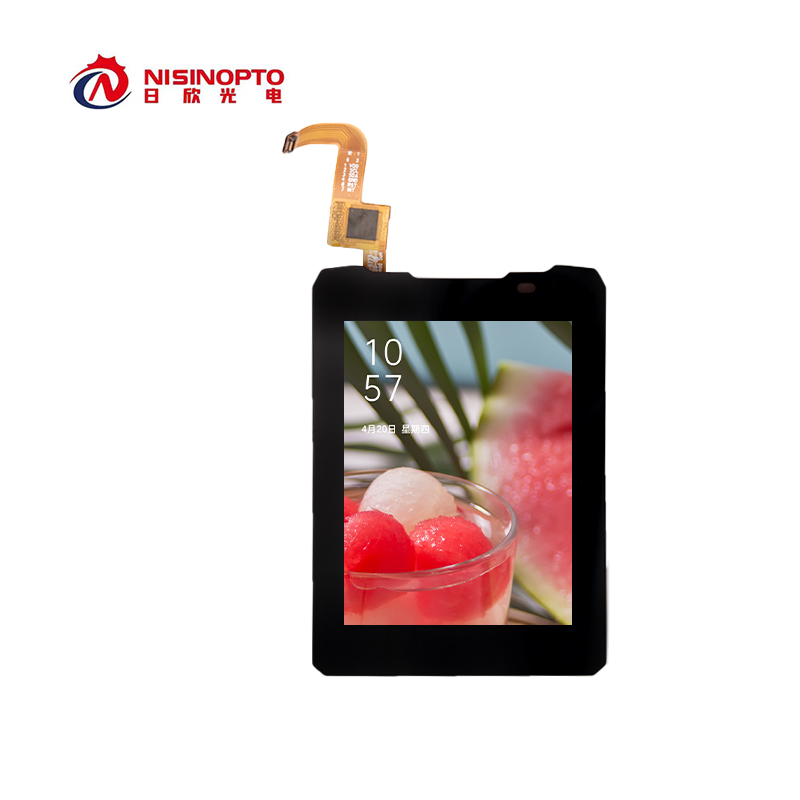
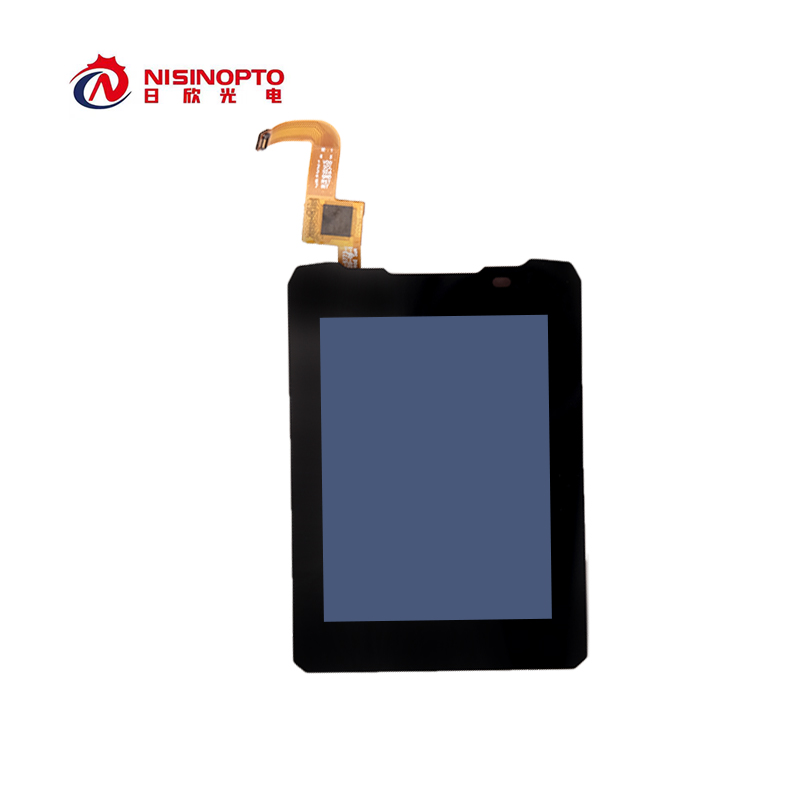
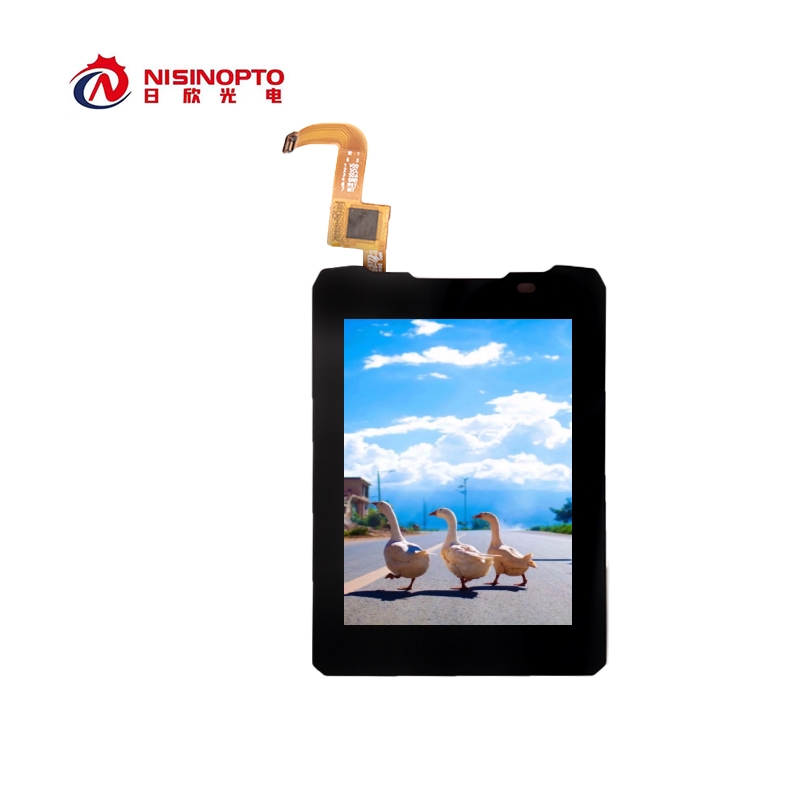
NISIN’s 2.83-inch LCD display is designed for applications that require a compact and lightweight display solution. Its size makes it suitable for various portable devices and embedded applications, including smart home equipment, medical instruments, and financial terminals. For product developers, choosing a display with an appropriate size can help maintain a balanced product structure while providing enough space for essential interface information.
4. Low Power Consumption Matters for Smart Devices
Power efficiency is another factor that manufacturers need to consider, particularly when developing battery-powered or continuously operating equipment.
A low power TFT LCD display can help reduce the energy demand of the display system. This is relevant to portable devices that need to operate for extended periods without frequent charging. It is also worth considering in smart home and embedded applications where stable, long-term operation is important.
However, overall power consumption does not depend on the display alone. Backlight settings, driver circuits, operating conditions, and the device’s control system can all influence energy usage.
Manufacturers should therefore evaluate the complete display module together with the electronic design of the finished product.
5. Applications Across Different Smart Device Industries
The versatility of TFT LCD technology makes it suitable for a wide range of electronic products.
- Smart Home Devices: Control panels and smart home terminals use LCD displays to present operating modes, temperature information, and system status.
- Medical Instruments: Compact display modules can be used to show measurement data, device settings, and operating information. Display requirements should be matched to the specific medical application.
- Financial Terminals: Payment terminals and other financial devices rely on readable screens to guide users through transaction steps and display essential information.
- Portable Electronics: Handheld devices benefit from compact display dimensions and lightweight construction, particularly when internal space is limited.
- Embedded Systems: Industrial and electronic equipment can use TFT LCD modules to provide a visual interface for system monitoring and control.
Although these applications have different requirements, they share a common need for reliable information display and convenient user interaction.
6. What Should Manufacturers Consider When Choosing a TFT LCD Display?
Before integrating a TFT LCD display into a new product, manufacturers should evaluate several technical and practical factors.
Display size and resolution should match the available installation space and the amount of information that needs to be shown. Brightness and viewing angle should be considered according to the expected operating environment.
Power consumption is particularly relevant for battery-powered equipment. Manufacturers should also confirm interface compatibility, mechanical dimensions, and electrical requirements to ensure the module can work with the main control board.
Environmental conditions are another consideration. Operating temperature, storage requirements, and expected usage conditions should be checked against the actual module specifications.
Early communication with the display manufacturer can help clarify these requirements before the product enters the integration and testing stages.
7. NISIN 2.83-Inch LCD Display for Smart Device Integration
For manufacturers looking for a compact display solution, NISIN offers a 2.83-inch LCD display designed for portable devices and embedded applications.
The module features a high-resolution design for clear and detailed image presentation. Its compact and lightweight construction makes it suitable for products where installation space and overall device dimensions need to be carefully managed. High brightness, wide viewing angle, and low power consumption are also among its stated characteristics.
With advanced manufacturing processes and quality control, NISIN focuses on providing display solutions for different electronic product applications.
For OEM and ODM projects, manufacturers can evaluate the display’s dimensions, electrical specifications, interface requirements, and operating conditions to determine whether it matches their product design.
Conclusion
The display has a direct influence on how users understand and operate smart devices. A suitable TFT LCD display can improve information readability, support compact product design, and provide a more convenient interface across different applications.
For manufacturers developing smart home products, medical instruments, financial terminals, or portable electronics, selecting the right LCD display is an important part of product development. NISIN’s 2.83-inch LCD display offers a compact option for projects that require clear visual output and flexible integration.