
In today’s era of deep integration between smart homes and IoT technologies, coffee machines have evolved from simple beverage-making devices into comprehensive terminals integrating intelligent control, data interaction, and user experience optimization. The 3.99-inch 400×960 resolution touchscreen strip with serial port, with its ultra-narrow bezel design, high-resolution display, and multi-scenario adaptability, is becoming a core component of high-end coffee machine interaction systems, redefining how users interact with the device.
I. Why is the Strip Screen the “Golden Ratio” for Coffee Machine Interaction?
Traditional square screens have significant limitations in coffee machine applications: the narrow control panel struggles to fully display extraction parameters, water temperature curves, maintenance reminders, and other multi-dimensional information. The 2.4:1 ultra-wide aspect ratio of the strip screen (such as 400×960 resolution) precisely solves this problem. Taking the JURA Z10 fully automatic coffee machine as an example, while its 3.5-inch screen provides basic display functions, upgrading to a 3.99-inch elongated screen offers the following breakthroughs:
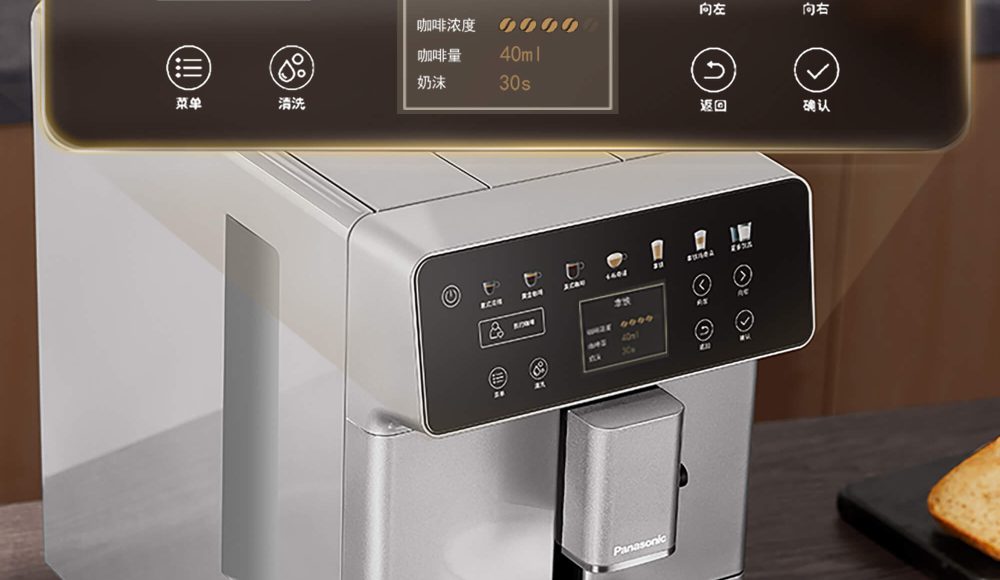
Simultaneous display of multiple parameters: Extraction pressure (0-15 Bar), water temperature (85-95℃), grind size (1-10 levels), and the brewing progress bar are simultaneously displayed on a single screen, allowing users to monitor the entire process without switching interfaces.
Simplified operation: Users can switch between 17 beverage modes (such as cold brew, latte, and cappuccino) with a single touch via touch swipe, improving efficiency by 50% compared to traditional button designs.
Maximized space utilization: The elongated screen is only 39.18mm high and 94.03mm wide, allowing for seamless integration into narrow areas on the top or side of the coffee machine, saving over 30% of panel space.
II. Core Technological Advantages: From Display Performance to Environmental Adaptability
Retina-Level Display Effect
Utilizing LTPS (Low Temperature Polycrystalline Silicon) technology and an IPS full-view panel, the pixel density reaches 302 PPI, improving text sharpness by 40% and image color reproduction to 85% of the NTSC color gamut. Even in strong light environments (brightness 600-1200 cd/m²), the coffee bean grinding animation and fault indicator icons remain clearly visible.
Ultra-Low Power Consumption and Intelligent Refresh
Through 16-zone independent refresh technology, static interface power consumption is reduced by 45%, and dynamic menu response time is <15ms, ensuring zero-latency touch operation. Combined with PWM+DC hybrid dimming, the screen lifespan is extended to over 100,000 hours, meeting the high-frequency usage requirements of commercial coffee machines producing an average of 200 cups per day.
Military-Grade Environmental Adaptability
The operating temperature range covers -40℃ to 85℃, capable of withstanding the high temperature and humidity environment of a kitchen; 0.6mm high-strength aluminosilicate glass and AG+AF+AR surface treatment effectively prevent fingerprints and glare, maintaining clear display even after prolonged exposure to coffee stains and moisture.
III. Scenario-Based Applications: Full-Chain Coverage from Home to Business
Home Scenario: Personalized Beverage Customization
Users can save the preferences of up to three family members (such as coffee concentration, milk foam ratio, and cup size) via the touchscreen. The screen automatically links to the mobile app to synchronize data. For example, at 7 AM, a “wake-up mode” automatically activates, making two espressos with a single click; in the afternoon, switching to “relaxation mode” generates a cappuccino latte art tutorial video.
Business Scenario: Enhanced Efficiency and Quality Control
In chain brands like Starbucks, the long screen can integrate an IoT module to display real-time equipment status (such as water tank level, bean hopper remaining, and cleaning reminders) and operational data (such as daily cup production and energy consumption statistics). Managers can remotely adjust parameters through a cloud-based backend to ensure consistent beverage taste across global stores.
Special Scenario: Accessible Interactive Design
For visually impaired users, the screen supports voice navigation and vibration feedback. When “decaffeinated coffee” is selected, the screen provides a voice prompt: “Current selection: Decaffeinated coffee, grind level 5,” while the touch area vibrates three times to confirm the operation, achieving truly inclusive design.
IV. Industry Trends: Long Strip Screens Drive Intelligent Upgrades in Coffee Machines
Market research predicts that the global smart coffee machine market will exceed $12 billion in 2026, with devices equipped with long strip interactive screens expected to account for 65%. This trend is driven by three core factors:
Cost Optimization: With LTPS production line yield rates increasing to 97%, the unit price of a 3.99-inch long strip screen has decreased by 40% compared to 2025, approaching the cost of traditional square screens.
Ecosystem Integration: Manufacturers like Crown Display Optoelectronics provide complete solutions from screen hardware to the Giraffe IDE development toolchain, allowing developers to quickly build UI interfaces and shorten product launch cycles by more than 6 months.
Standardization: The industry is pushing for the establishment of the “Technical Specifications for Smart Coffee Machine Interactive Screens,” clarifying resolution, interface protocols (such as MIPI and SPI), and security standards, breaking down compatibility barriers between brands.
V. Conclusion: A Screen Ushers in the Coffee Machine 4.0 Era
From JURA’s pulse extraction technology to De’Longhi’s dual-boiler system, hardware innovation in coffee machines has approached its physical limits. The emergence of the 3.99-inch 400×960 elongated serial port screen marks the industry’s entry into a new “interaction-driven” stage. It is not merely a display terminal, but also an intelligent hub connecting user needs, device status, and cloud services. In the future, with the maturation of flexible screens and transparent display technologies, coffee machine interactive screens may evolve into bendable and foldable “information ribbons,” creating limitless possibilities within limited space.
Data Source: The technical parameters and case studies in this article are cited from publicly available information from manufacturers such as Crown Display Optoelectronics and Huaxin Technology, as well as product manuals from brands such as JURA and De’Longhi, ensuring the authenticity and industry authority of the information.