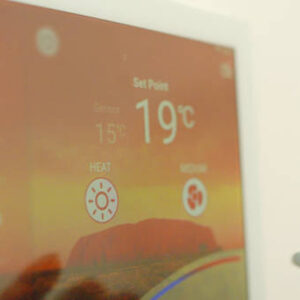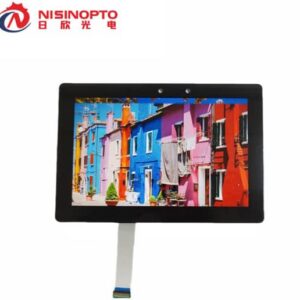

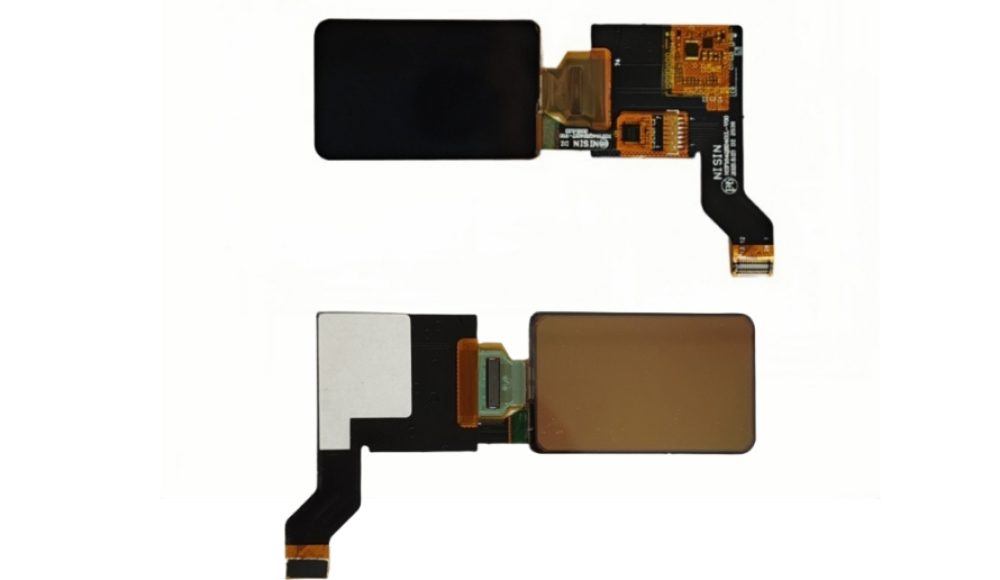
AMOLED technology has rapidly become a preferred choice for modern smart devices, offering superior contrast, vibrant colors, and energy efficiency. However, not all AMOLED display modules meet the same quality standards. For OEMs, industrial equipment manufacturers, and smart device producers, selecting a reliable supplier like NISIN is critical to ensure durability, performance, and user satisfaction.

Key Quality Standards to Evaluate 📝
When sourcing AMOLED LCD modules, buyers must assess several quality parameters to ensure they receive reliable products. The most critical standards include:
| Quality Aspect | Key Considerations | Testing Methods | |
|---|---|---|---|
| Brightness & Contrast | High luminance and deep black levels for vivid display | Luminance meter testing, contrast ratio measurement | |
| Color Accuracy | True-to-life colors across different viewing angles | Color gamut test, Delta E measurement | |
| Touch Responsiveness | Smooth and accurate touch response for AMOLED touch displays | Multi-touch test, response time measurement | |
| Durability | Resistance to mechanical stress, scratches, and bending (for flexible modules) | Bend test, scratch test, drop test | |
| Energy Efficiency | Low power consumption without color distortion | Power draw test under different brightness levels | |
| Interface & Compatibility | Correct driver IC integration for OLED LCD modules | Electrical interface test, signal compatibility check |

Reliability Testing for AMOLED Screen Modules 🔧
-
Burn-In and Image Retention Test
AMOLED screens can suffer from burn-in if static images are displayed for prolonged periods. Reliable suppliers like NISIN conduct accelerated burn-in tests to ensure long-term image stability. -
Temperature and Humidity Resistance 🌡️
AMOLED LCD modules must function under extreme temperatures and humidity conditions. Testing includes thermal cycling and humidity exposure to simulate real-world applications in industrial and outdoor devices. -
Mechanical Stress Tests 🏋️
Flexible or thin AMOLED screen modules are tested for bending, twisting, and repeated handling to confirm structural durability.

Interface and Performance Compliance ⚡
Ensuring proper driver IC integration and electrical standards is vital:
-
Voltage and Signal Integrity: Verify stable operation across the full voltage range.
-
Refresh Rate and Response Time: Evaluate smoothness for high-performance applications, especially in smart devices and industrial HMIs.
-
Touch Accuracy: For AMOLED touch displays, ensure multi-touch precision and low latency.
Supplier Reliability Checklist ✅
When choosing a AMOLED display module supplier, buyers should consider:
| Supplier Evaluation Criteria | Description | |
|---|---|---|
| Certifications | ISO 9001, RoHS, CE, and other industry standards | |
| Production Capacity | Ability to meet large-scale OEM or custom orders | |
| Quality Control | In-house testing for every batch of AMOLED LCD modules | |
| Technical Support | Assistance with integration, driver ICs, and custom specifications | |
| Warranty & After-Sales | Guarantees for performance, defects, and reliability |

Why NISIN Stands Out as an AMOLED Display Module Supplier 🌟
NISIN specializes in premium AMOLED display modules for consumer electronics, industrial devices, and smart touch applications. Key advantages include:
-
Advanced manufacturing lines for AMOLED LCD modules and OLED LCD modules
-
Flexible customization for AMOLED screen modules and AMOLED touch displays
-
Strict quality control with burn-in, color accuracy, and mechanical stress testing
-
Global support for OEM/ODM projects with reliable delivery
Conclusion 🎯
Selecting high-quality AMOLED display modules requires careful evaluation of brightness, color accuracy, durability, touch performance, and interface compatibility. Buyers should verify supplier certifications, testing methods, and after-sales support to ensure consistent performance.
With trusted suppliers like NISIN, manufacturers can confidently integrate AMOLED LCD modules, OLED LCD modules, AMOLED screen modules, and AMOLED touch displays into their products, guaranteeing superior user experience and reliability.