
En automatisation industrielle, instrumentation automobile, et bornes intelligentes extérieures, le décalage d'affichage est plus qu'un simple inconvénient : il peut compromettre la sécurité opérationnelle et l'exactitude des données. Lors de l’évaluation des technologies d’affichage, les ingénieurs examinent systématiquement les temps de réponse pour garantir des transitions fluides et un rendu des données en temps réel.
Par rapport aux anciens écrans LCD à matrice passive (comme STN), Transistor à couches minces (TFT) la technologie offre des temps de réponse bien supérieurs. Voici pourquoi.
La physique de base: Matrice active vs. Matrice passive
La principale raison pour laquelle un écran LCD TFT atteint des temps de réponse plus rapides réside dans son architecture à matrice active..
- Écrans à matrice passive: Des charges électriques sont envoyées vers des lignes et des colonnes entières pour activer les pixels. Cela provoque un ralentissement, retard en cascade.
- Panneaux TFT à matrice active: Chaque sous-pixel possède un transistor à couches minces dédié. Cela permet une rotation instantanée des cristaux et un mouvement fluide, éliminer les images fantômes.
| Type de matrice | Méthode de contrôle des pixels | Résultat |
|---|---|---|
| Matrice passive | Les frais rampent sur le réseau | Réaction lente des pixels (fantôme) |
| TFT à matrice active | Transistor dédié pour chaque sous-pixel | Réponse instantanée des pixels, mouvement fluide |
Utilisation d'un TFT haute performance (a-Si) panneau, les écrans peuvent rapidement changer d'état à cristaux liquides. Cela garantit:
- Changements de couleur quasi instantanés
- Prévention du flou de mouvement
- 30% contraste plus élevé
- 15% Consommation d'énergie inférieure
- Prise en charge du mode Noir normal pour des noirs plus profonds
Intégration de technologies avancées pour une réponse plus rapide du système
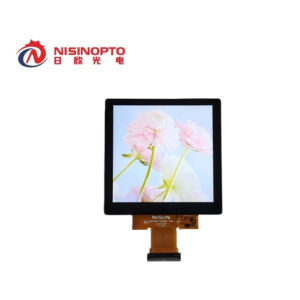
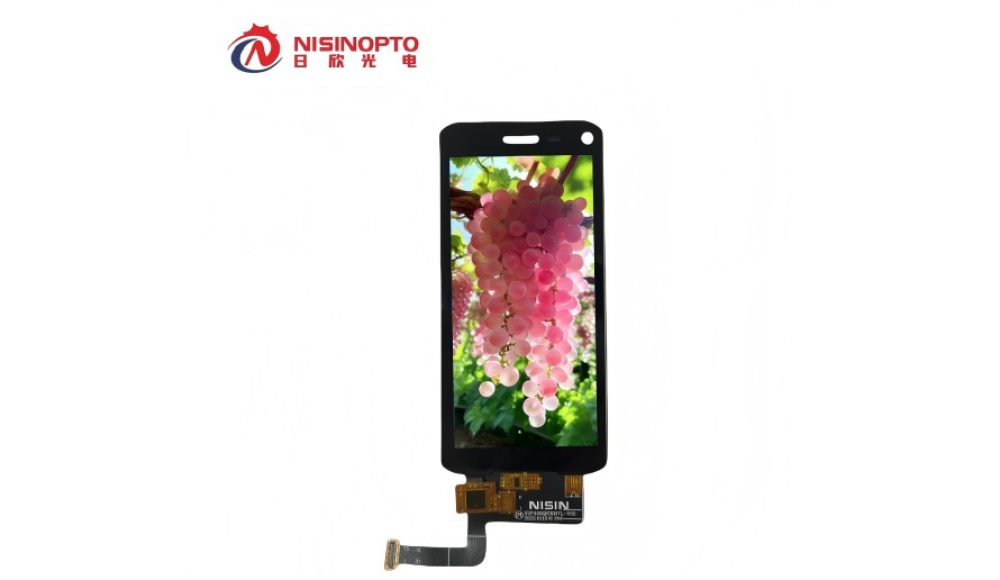
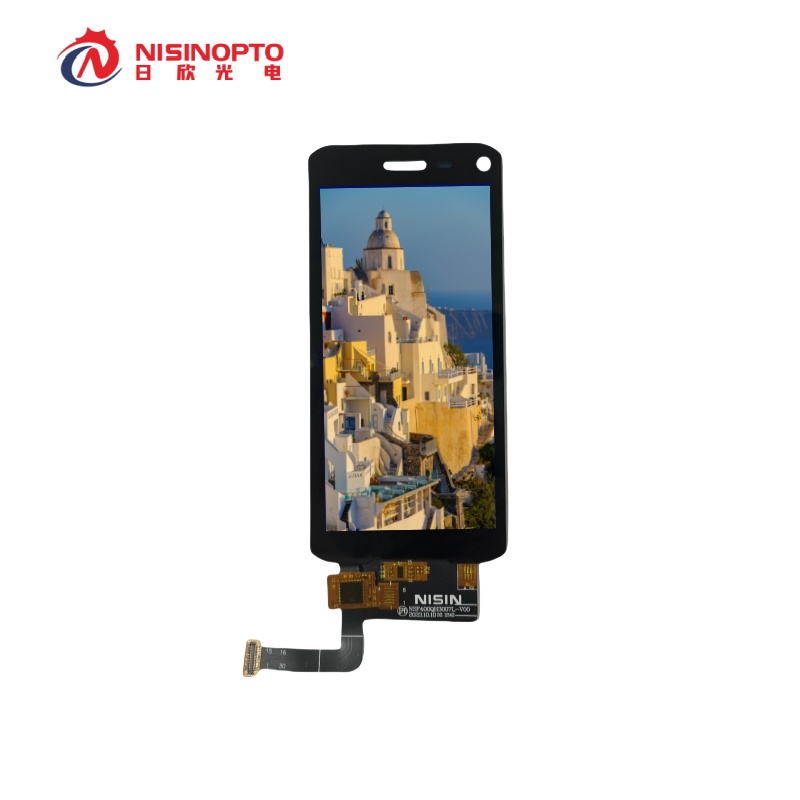
Une réponse rapide des cristaux liquides n'a aucun sens si le pipeline de données ou l'interface tactile introduit des goulots d'étranglement.. NISIN 4.0-pouces TFT LCD résout ce problème avec une intégration holistique.
1. Interface haute vitesse MIPI
- Fournit une écurie, pipeline de données à large bande passante
- Réduit la latence des données
- Simplifie l'intégration avec les systèmes embarqués
2. Intégration tactile ONCELL
- Le numériseur tactile à couche directe réduit les interférences
- Fournit une réponse tactile à latence ultra faible
- Permet une épaisseur de module plus fine
| Fonctionnalité matérielle | Avantage de vitesse opérationnelle |
|---|---|
| TFT à matrice active | La rotation rapide des cristaux liquides élimine les images fantômes |
| Interface MIPI | Un pipeline de données à large bande passante empêche les pertes d'images |
| ONCELL Tactile | Retour tactile instantané grâce à l'intégration directe de la couche |
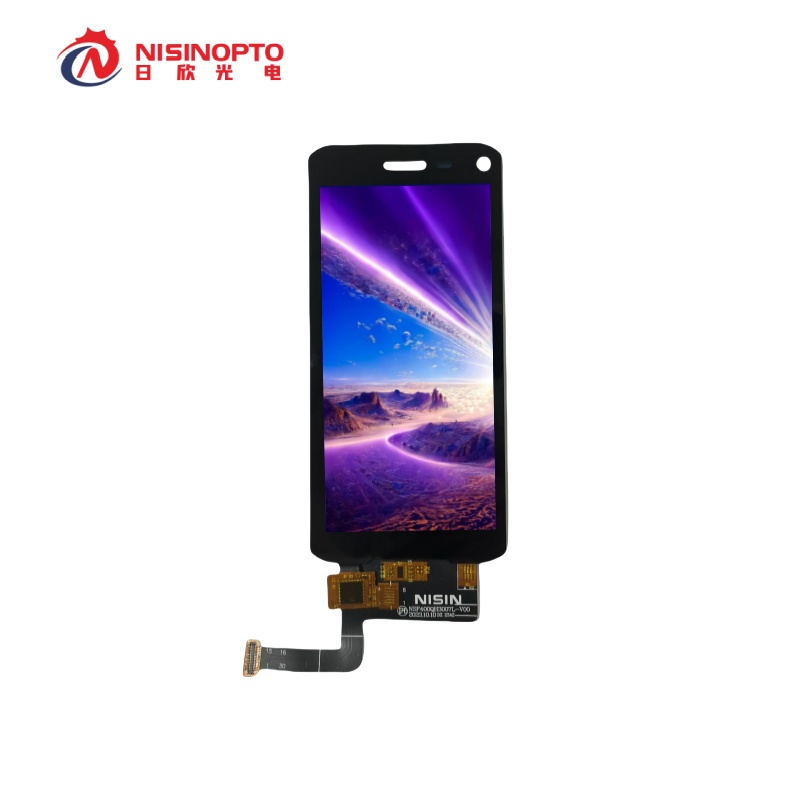
Conception visuelle haut de gamme et proportions modernes
Au-delà de la vitesse, les applications modernes exigent une expérience immersive, écrans larges haute définition.
- Rapport hauteur/largeur: 18:9 ratio d'or
- Résolution: 540× 1080
- Zone d'affichage: 45.52 × 91.04 mm
- Rapport écran/corps maximisé pour une meilleure immersion visuelle
Cette empreinte grand écran garantit des images délicates et réalistes, parfaitement adapté aux conceptions d'interface utilisateur contemporaines.
Adaptabilité aux environnements difficiles et robustes
Industriel, médical, et les applications automobiles nécessitent des temps de réponse rapides dans des conditions extrêmes. Les écrans standard peuvent geler ou ralentir en cas de froid extrême ou surchauffer sous la lumière du soleil..
Seuils thermiques de fonctionnement:
- Affichage commercial bas de gamme: 0°C à +50°C
- NISIN Qualité TFT industrielle: -20°C à +70°C (Stockage: -30°C à +80°C)
Autres fonctionnalités de qualité industrielle:
- Ultra-haute luminosité: 550 cd/m² pour une visibilité en cas de fort ensoleillement
- Angles de vision larges: 80° visibilité dans quatre directions
- Anti-vibration et interférence: A réussi des tests rigoureux pour les environnements difficiles
Conclusion: La vitesse rencontre la durabilité industrielle
Les écrans LCD TFT offrent des temps de réponse supérieurs grâce à l'électronique à matrice active, qui manipulent les états des cristaux liquides beaucoup plus rapidement que les grilles existantes. Lorsqu'il est combiné avec les pipelines de données MIPI et l'intégration ONCELL Touch, le décalage est efficacement éliminé.
Pour les entreprises nécessitant du croustillant, sensible, et écrans robustes, un écran LCD TFT haut de gamme de 4,0 pouces de NISIN garantit une précision en temps réel, même dans les environnements industriels les plus exigeants.