
산업 자동화 분야, 자동차 계측, 및 실외 스마트 단말기, 디스플레이 지연은 단순한 불편함을 넘어 작동 안전성과 데이터 정확성을 저하시킬 수 있습니다.. 디스플레이 기술을 평가할 때, 엔지니어는 원활한 전환과 실시간 데이터 렌더링을 보장하기 위해 지속적으로 응답 시간을 확인합니다..
구형 패시브 매트릭스 LCD와 비교 (STN처럼), 박막 트랜지스터 (TFT) 기술은 훨씬 뛰어난 응답 시간을 제공합니다.. 이유는 다음과 같습니다.
핵심 물리학: 액티브 매트릭스와. 패시브 매트릭스
TFT LCD가 더 빠른 응답 시간을 달성하는 주된 이유는 활성 매트릭스 아키텍처에 있습니다..
- 패시브 매트릭스 스크린: 픽셀을 활성화하기 위해 전체 행과 열에 전하가 전송됩니다.. 이로 인해 속도가 느려집니다., 계단식 지연.
- 액티브 매트릭스 TFT 패널: 각 하위 픽셀에는 전용 박막 트랜지스터가 있습니다.. 이를 통해 즉각적인 결정 회전과 유동적인 움직임이 가능합니다., 고스팅 제거.
| 매트릭스 유형 | 픽셀 제어 방법 | 결과 |
|---|---|---|
| 패시브 매트릭스 | 그리드 전체에 걸쳐 요금이 크롤링됨 | 느린 픽셀 반응 (고스팅) |
| 액티브 매트릭스 TFT | 각 서브픽셀 전용 트랜지스터 | 즉각적인 픽셀 반응, 유체 운동 |
고성능 TFT 사용 (A -I) 패널, 디스플레이는 개별 액정 상태를 빠르게 전환할 수 있습니다.. 이는 다음을 보장합니다.:
- 거의 즉각적인 색상 변경
- 모션 블러 방지
- 30% 더 높은 대비
- 15% 낮은 전력 소비
- 더 깊은 검정색을 위한 일반 검정색 모드 지원
더 빠른 시스템 응답을 위한 고급 기술 통합
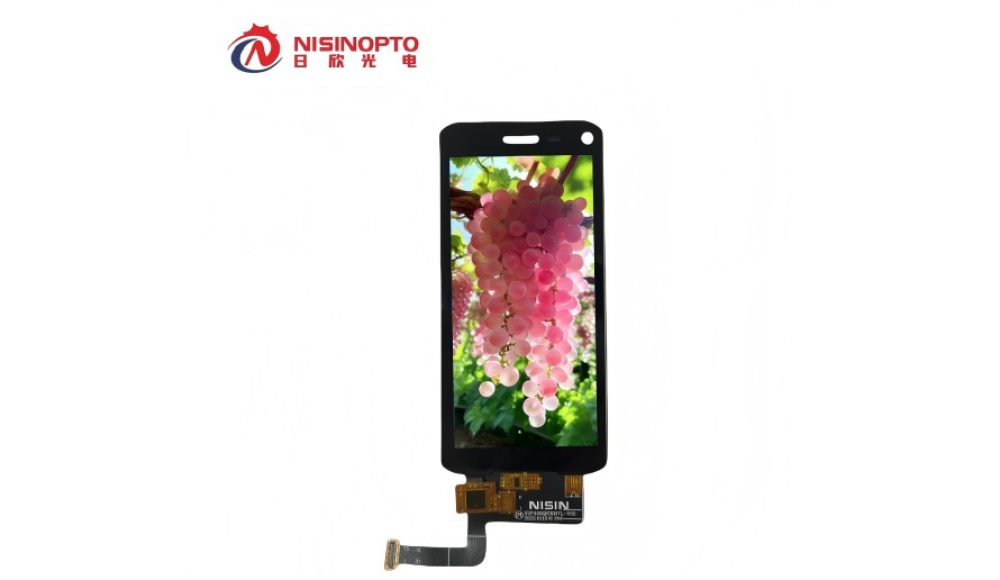
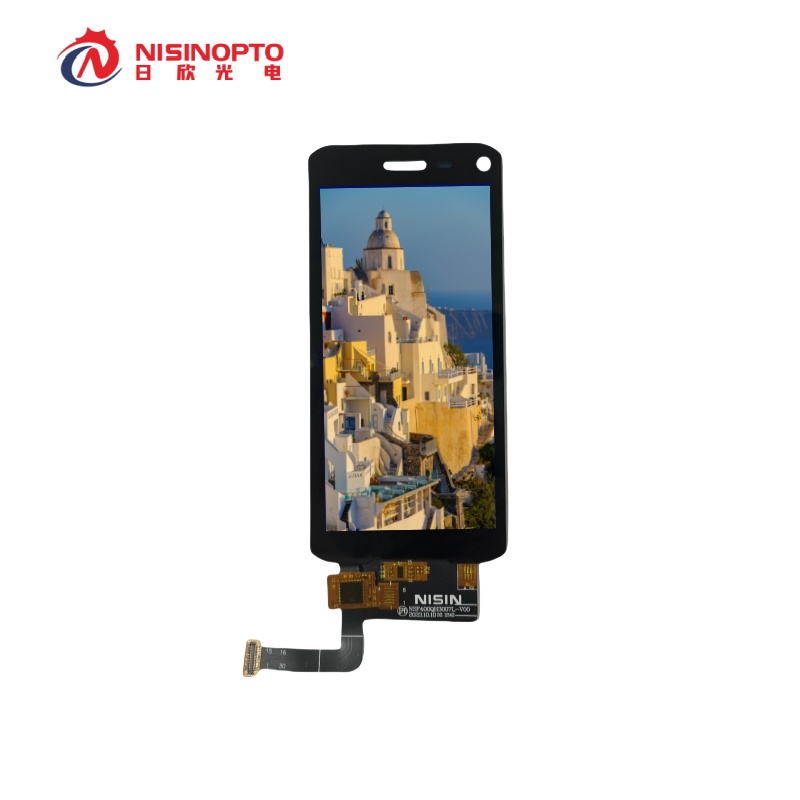
데이터 파이프라인이나 터치 인터페이스에 병목 현상이 발생하면 빠른 액정 반응은 의미가 없습니다.. 니신의 4.0-인치 TFT LCD 전체적인 통합으로 이 문제를 해결합니다..
1. MIPI 고속 인터페이스
- 안정적인 제공, 고대역폭 데이터 파이프라인
- 데이터 대기 시간 감소
- 임베디드 시스템과의 통합 단순화
2. ONCELL 터치 통합
- 직접 레이어 터치 디지타이저로 간섭 감소
- 초저지연 터치 응답 제공
- 더 얇은 모듈 두께 가능
| 하드웨어 기능 | 운영 속도 이점 |
|---|---|
| 액티브 매트릭스 TFT | 빠른 액정 회전으로 고스트 현상 제거 |
| MIPI 인터페이스 | 고대역폭 데이터 파이프라인으로 프레임 드롭 방지 |
| 온셀터치 | 직접 레이어 통합을 통한 즉각적인 터치 피드백 |
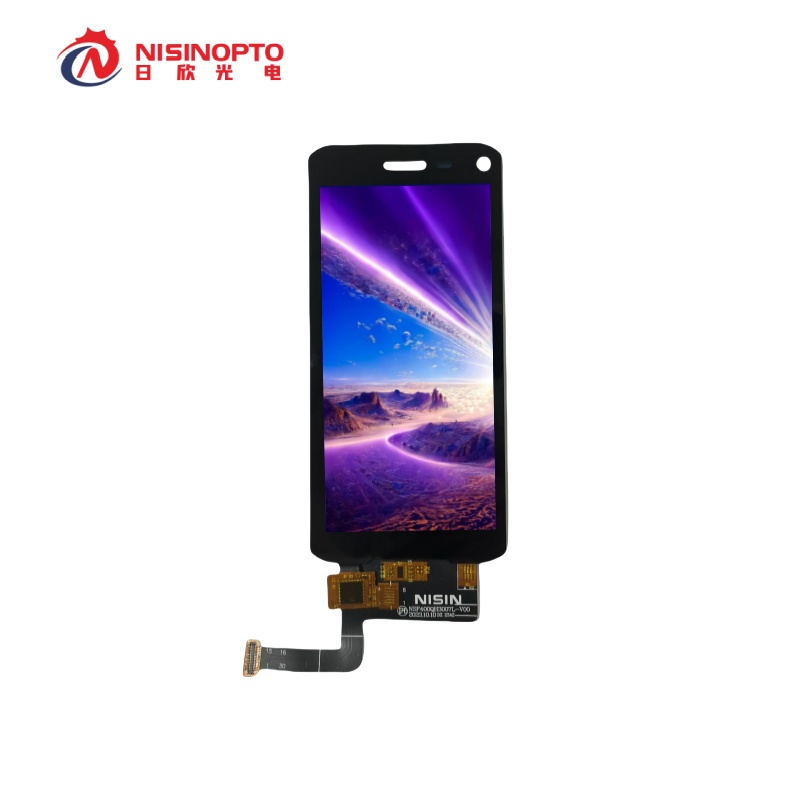
프리미엄 시각 디자인과 현대적인 화면 비율
속도를 넘어서, 현대 애플리케이션은 몰입감을 요구합니다., 고화질 와이드스크린.
- 종횡비: 18:9 황금비율
- 해결: 540× 1080
- 표시 영역: 45.52 × 91.04 mm
- 더 나은 시각적 몰입감을 위해 최대화된 화면 대 본체 비율
이 와이드스크린 풋프린트는 섬세하고 사실적인 이미지를 보장합니다., 최신 UI 디자인에 완벽하게 적용됨.
가혹하고 열악한 환경에 대한 적응성
산업, 의료, 자동차 애플리케이션은 극한 조건에서 빠른 응답 시간을 요구합니다.. 표준 디스플레이는 극한의 추위나 햇빛 아래의 과열로 인해 작동이 멈추거나 느려질 수 있습니다..
작동 열 임계값:
- 저가형 상업용 디스플레이: 0°C ~ +50°C
- NISIN 산업용 TFT Grade: -20°C ~ +70°C (저장: -30° C ~ +80 ° C)
기타 산업 등급 기능:
- 매우 높은 밝기: 550 강한 햇빛에서도 가시성을 위한 cd/m²
- 넓은 시야각: 80° 4방향 가시성
- 진동 방지 및 간섭: 견고한 환경에 대한 엄격한 테스트를 통과했습니다.
결론: 속도와 산업 내구성의 만남
TFT LCD 디스플레이는 액티브 매트릭스 전자 장치 덕분에 뛰어난 응답 시간을 제공합니다., 레거시 그리드보다 훨씬 빠르게 액정 상태를 조작합니다.. MIPI 데이터 파이프라인 및 ONCELL 터치 통합과 결합되는 경우, 지연이 효과적으로 제거됩니다..
선명함을 요구하는 기업용, 반응하는, 그리고 견고한 디스플레이, NISIN의 프리미엄 4.0인치 TFT LCD는 가장 까다로운 산업 환경에서도 실시간 정밀도를 보장합니다..