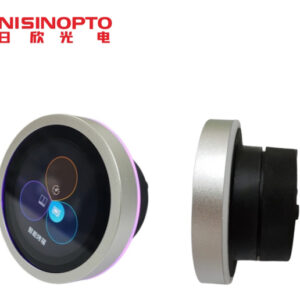

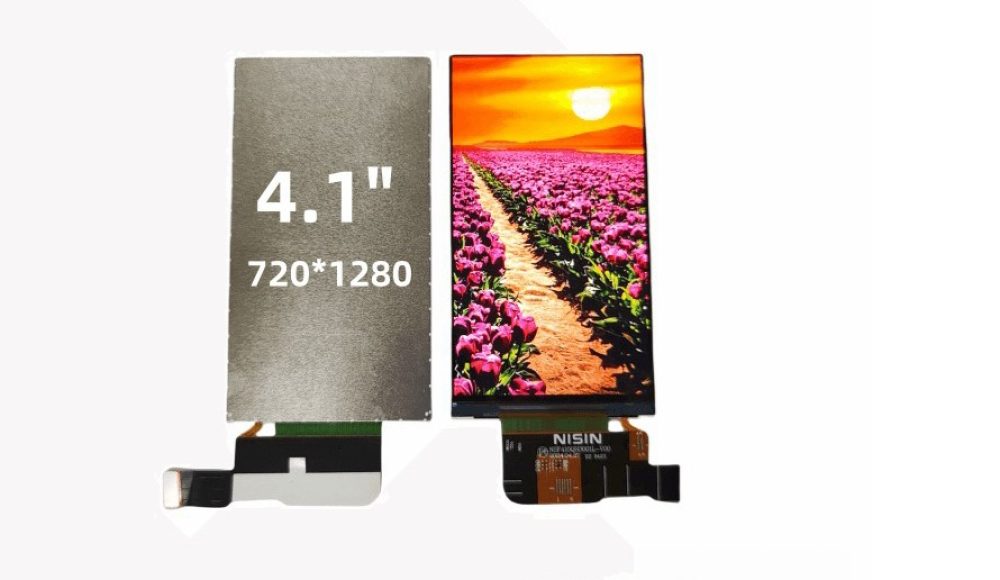
In modern electronic products, display technology plays an important role in improving user interaction and information visibility. From industrial control systems and medical devices to automotive equipment and smart terminals, TFT LCD display modules have become a widely used solution because of their excellent image quality, stable performance, and flexible customization options.
For engineers and product designers, selecting the right TFT LCD display module requires more than simply comparing screen sizes. Factors such as resolution, brightness, viewing angle, touch integration, operating environment, and supplier capability all influence the final performance of the product.
This guide explains the key factors to consider when choosing a TFT LCD display and how to work with a reliable TFT LCD display manufacturer for long-term project success.
What Is a TFT LCD Display Module?
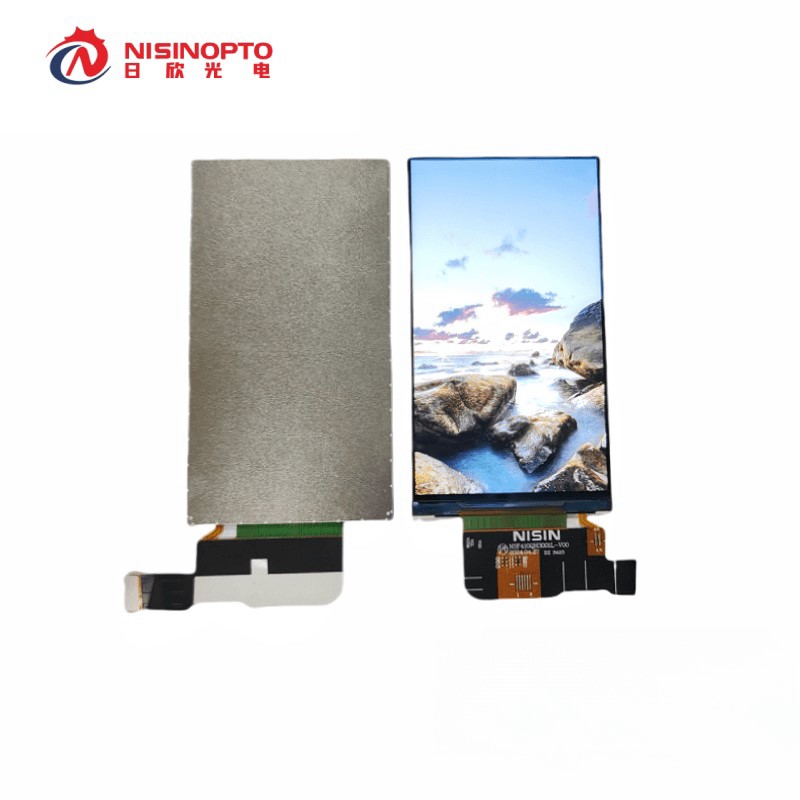
A TFT LCD display module is an advanced liquid crystal display system that uses thin-film transistor technology to control individual pixels. Compared with traditional LCD displays, TFT technology provides faster response times, better color performance, and improved image accuracy. A typical TFT LCD display module consists of several key components, including the LCD panel, driver IC, backlight system, and optional touch panel. These components work together to deliver clear images and smooth visual performance.
Because of its reliability and adaptability, TFT LCD technology is widely used in applications such as industrial equipment, medical instruments, automotive displays, smart home devices, and portable electronic products.
Why TFT LCD Displays Are Widely Used in Industrial Applications
1. Clear Image Quality and Accurate Information Display
Industrial equipment often requires users to monitor complex data, operating conditions, and system information. A high-quality TFT LCD display panel can provide sharper images, better color reproduction, and improved readability.
For example, in medical devices or industrial control panels, clear display performance helps operators quickly understand important information and make accurate decisions. Resolution, pixel density, and screen size should be carefully considered based on the application’s requirements.
2. Reliable Performance in Different Environments
Unlike consumer electronics that are usually used in controlled environments, industrial devices may operate under challenging conditions, including temperature changes, dust, vibration, and continuous operation.
A professional TFT LCD display manufacturer can provide customized solutions with features such as:
- High brightness backlight
- Wide operating temperature range
- Enhanced durability
- Anti-glare surface treatment
- Long lifespan components
These features help TFT LCD modules maintain stable performance in demanding applications.
Important Factors When Selecting a TFT LCD Display Module
1. Display Size and Resolution
Screen size and resolution are two of the most important factors when selecting a TFT LCD display.
A larger screen does not always mean better performance. The ideal combination depends on the viewing distance, interface complexity, and product design requirements.
For example:
- Small displays (1.8–3.5 inches) are suitable for compact devices and handheld equipment.
- Medium displays (4–7 inches) are commonly used in industrial panels, medical devices, and automotive systems.
- Large displays (8 inches and above) are often used in advanced control interfaces and information terminals.
Choosing the right resolution ensures clear images while balancing cost and power consumption.
2. Brightness and Viewing Angle
Brightness directly affects screen visibility, especially in outdoor or high-light environments.
For industrial applications, a standard display may not provide enough visibility under strong lighting conditions. High-brightness TFT LCD displays with optimized backlight solutions can improve readability.
Viewing angle is another important consideration. A wider viewing angle allows users to see information clearly from different positions, which is especially valuable for shared equipment interfaces.
3. Touch Screen Integration
Many modern devices require interactive displays instead of simple information screens. A TFT LCD touch screen combines display and touch functionality, creating a more convenient user experience.
Common touch technologies include:
- Capacitive touch screen
- Resistive touch screen
- In-cell and on-cell touch solutions
The choice depends on application requirements, including accuracy, durability, and environmental conditions.
4. Interface Compatibility
Engineers should also consider whether the display module is compatible with the existing hardware system.
Common interfaces include:
- RGB interface
- MCU interface
- SPI interface
- MIPI interface
- LVDS interface
A suitable interface helps simplify product development and improves system integration efficiency.
Customization Options from a TFT LCD Display Manufacturer
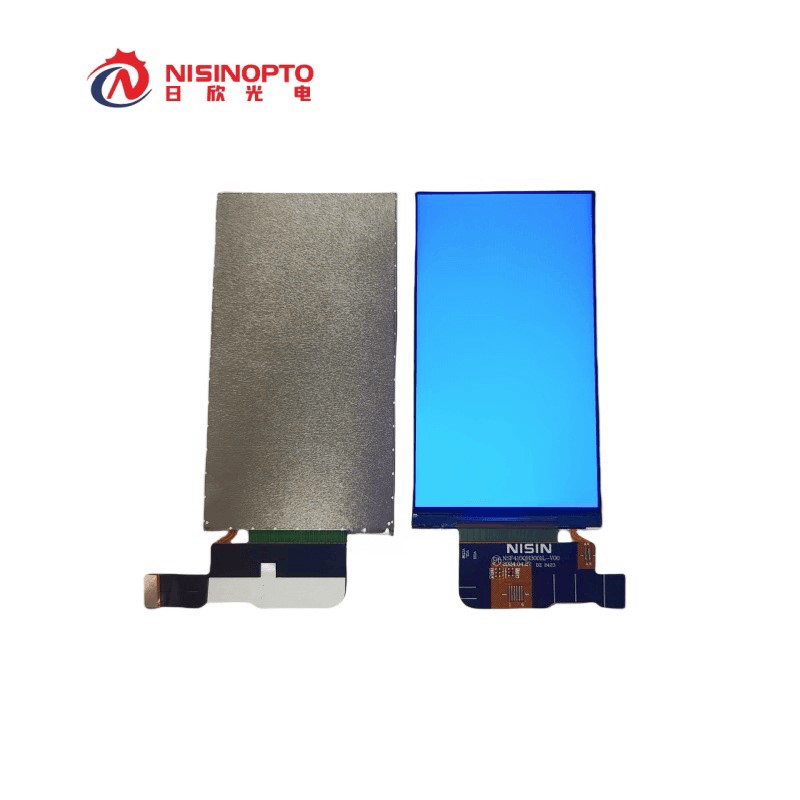
Different industries often require different display specifications. Working with an experienced TFT LCD display manufacturer allows companies to develop customized display solutions according to their product requirements.
Common customization services include:
Custom Display Size
Manufacturers can provide different screen dimensions to fit specific product structures and installation requirements.
Custom Resolution
For applications requiring special graphics or data visualization, customized resolution options can provide better user experiences.
Touch Panel Integration
Suppliers can combine TFT LCD panels with touch solutions to create integrated display modules.
Optical Enhancement
Additional technologies such as anti-reflection coating, optical bonding, and high brightness solutions can improve performance in specific environments.
How to Choose a Reliable TFT LCD Display Supplier
Selecting the right TFT LCD display supplier is an important step for product development and mass production.
Technical Experience
A professional supplier should have experience supporting different industries and providing suitable display solutions based on application requirements.
Production Capability
Stable manufacturing capacity ensures consistent quality and reliable delivery schedules, especially for long-term projects.
Quality Control
Display products require strict quality management. A reliable supplier should have complete testing processes covering brightness, color performance, durability, and functional reliability.
Engineering Support
Strong technical support helps customers solve issues during product design, testing, and production stages.
Applications of TFT LCD Display Modules
Due to their flexibility and reliability, TFT LCD modules are used across many industries, including:
- Industrial automation equipment
- Medical monitoring devices
- Automotive displays
- Smart home products
- POS terminals
- Handheld instruments
- Communication equipment
- Embedded systems
Each application has different requirements, making customization capability an important advantage when choosing a display supplier.
Conclusion:
Choosing the right TFT LCD display module requires careful consideration of multiple factors, including resolution, size, brightness, touch functionality, interface compatibility, and environmental requirements.
For engineers and designers, partnering with an experienced TFT LCD display manufacturer can simplify product development, improve display performance, and ensure reliable long-term supply. By selecting a display solution that matches both technical requirements and application needs, companies can create products with better usability, stronger competitiveness, and improved user experiences.