
In recent years, display technology has evolved rapidly, driven by the demand for higher resolution, lower power consumption, and more compact integration. Among all display solutions, the AMOLED screen module has emerged as one of the most widely adopted technologies across consumer electronics, wearables, and industrial systems.
From smartwatches to industrial controllers, AMOLED technology is reshaping how devices present visual information—delivering deeper contrast, faster response, and more flexible integration options.
1. Superior Visual Performance Drives Adoption
One of the main reasons for the rising popularity of AMOLED screen modules is their exceptional display quality.
The NISIN 1.73-inch AMOLED module offers:
- 466×466 high resolution
- 16.7 million color depth
- 100,000:1 ultra-high contrast ratio
- 3ms fast response time
- 350cd/m² brightness
Compared to traditional LCD solutions, the AMOLED touch display module provides richer colors, deeper blacks, and significantly improved visual clarity, making it ideal for modern high-end devices.

2. Compact Design for Modern Embedded Systems
As electronic devices become smaller and more integrated, compact display solutions are essential.
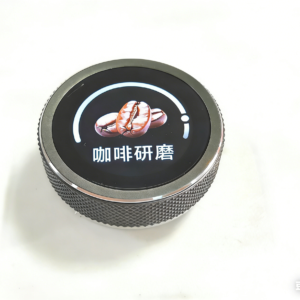
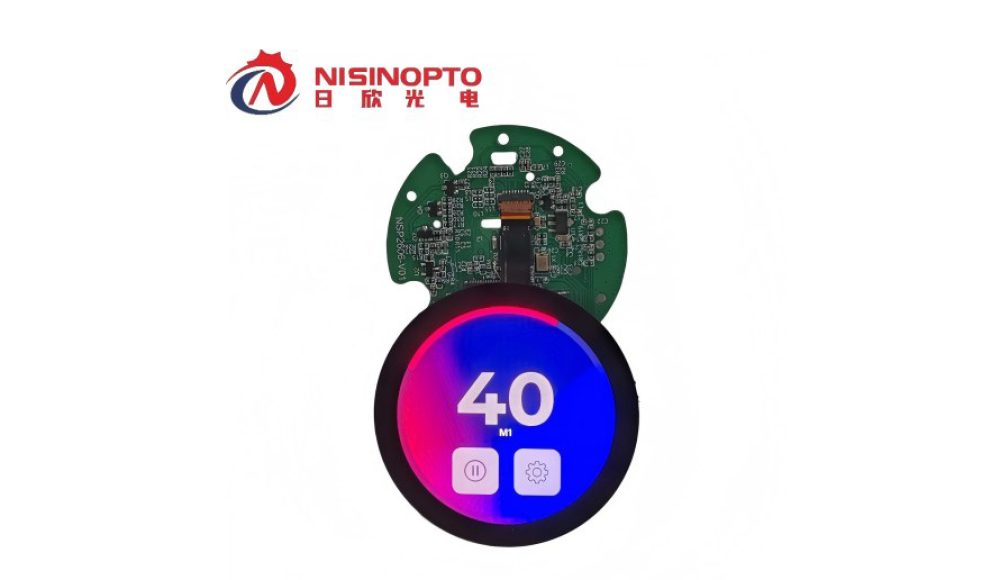
With a size of only 52.8×52.8×1.66mm, the NISIN module demonstrates how compact an AMOLED touch serial port screen can be while still maintaining high performance.
Its small footprint and lightweight structure make it suitable for:
- Wearable devices
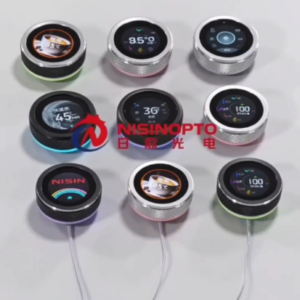
- Smart home control panels
- Industrial instruments
- Embedded control systems
This miniaturization advantage is a key factor driving adoption in next-generation electronics.

3. Easy Integration with Serial Port Communication
Another major advantage of modern AMOLED technology is ease of integration.
The NISIN display supports TTL serial communication, making it a highly practical serial port touch screen display for developers and system integrators.
This simplifies system design by allowing:
- Faster development cycles
- Reduced wiring complexity
- Easier firmware integration
As a result, the AMOLED serial port display is widely preferred in embedded applications where efficiency and reliability are critical.

4. High Stability in Harsh Environments
Industrial applications require display modules that can operate reliably under extreme conditions.
The NISIN AMOLED screen module is designed for:
- Operating temperature: -20℃ to +70℃
- Storage temperature: -30℃ to +80℃
This ensures stable performance even in demanding environments such as industrial equipment, outdoor systems, and automotive electronics.
Such durability significantly expands the application range of AMOLED touch display modules beyond consumer electronics.
5. Wide Viewing Angle and Fast Response Advantage
Thanks to its IPS wide-viewing-angle structure, the display maintains clear visibility from multiple angles. Combined with a 3ms response time, it ensures smooth and lag-free visual output.
These characteristics make the AMOLED touch serial port screen particularly suitable for:
- Real-time monitoring systems
- Interactive control panels
- Smart instrumentation
Users benefit from consistent image quality regardless of viewing position.
6. Growing Demand in Smart Device Ecosystems
The rapid expansion of IoT and smart device ecosystems has significantly increased the demand for high-performance displays.
The AMOLED serial port display is now widely used in:
- Smart home control systems
- Wearable health monitors
- Industrial automation interfaces
- Smart instrumentation dashboards
Its combination of visual quality, compact size, and integration flexibility makes it a preferred choice for modern embedded solutions.
7. Customization Enhances Market Flexibility
NISIN also provides customization services, allowing the AMOLED screen module to be adapted for different industries and applications.
This flexibility enables manufacturers to:
- Adjust interface configurations
- Optimize mechanical design
- Tailor display performance for specific use cases
Such adaptability is a key reason why AMOLED technology continues to expand across multiple sectors.
Conclusion:
The increasing popularity of the AMOLED screen module is driven by its superior visual performance, compact design, easy integration, and strong environmental adaptability.
With features like ultra-high contrast, fast response, serial communication support, and industrial-grade stability, solutions such as the NISIN AMOLED touch display module are setting new standards in modern display technology.
As devices continue to evolve toward smarter and more compact designs, the adoption of AMOLED touch serial port screen technology will only continue to grow across consumer, industrial, and IoT applications.